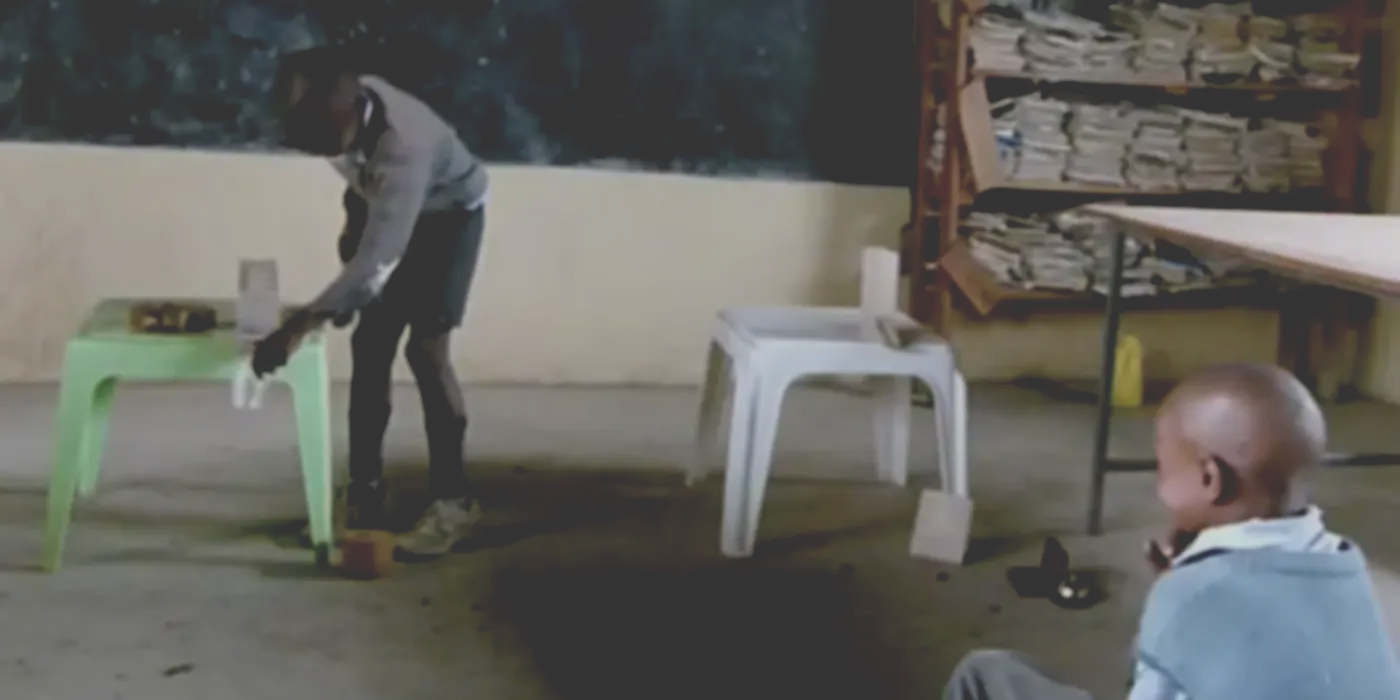
Kids Helping Kids Is Universal - But Cultures Help Differently
A simple game reveals a universal instinct in kids
A simple game reveals a universal instinct in kids

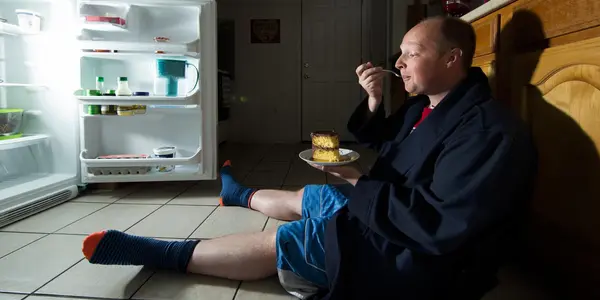
If you have ever wondered why you need to snack more at night and many people don't, there may be a neuroscience answer: areas of the brain that get a satiety "food high" may not get it in the evening.
In a new study, exercise professors and a neuroscientist used MRI to measure how the brains of college students respond to high- and low-calorie food images at different times of the day. Functional MRI took pictures of the brain activity of study subjects while they viewed images of food. The participants viewed 360 images during two separate sessions held one week apart--one during morning hours and one during evening hours.

Genome editing using CRISPR/Cas system has enabled direct modification of the mouse genome in fertilized mouse eggs, leading to rapid, convenient, and efficient one-step production of knockout mice without embryonic stem cells.
In contrast to the ease of targeted gene deletion, the complementary application, called targeted gene cassette insertion or knock-in, in fertilized mouse eggs by CRISPR/Cas mediated genome editing still remains a tough challenge.

To understand how transposable elements, DNA sequences capable of moving independently, shape genomes, where they are maintained over generations, it is vital to discover the mechanisms behind their targeted integration. Researchers from the Laboratoire Pathologie et Virologie Moléculaire (CNRS/Inserm/Université Paris Diderot), Institut de biologie intégrative de la cellule and the University of Minnesota have identified an interaction between two proteins that is essential for the integration of a transposable element into a specific area of the yeast genome. The results emphasize the role of these mobile DNA sequences in the evolution and adaptation of organisms, and their potential value for gene therapy.

A group of researchers analyzed a marine sponge called Halichondrin okadai because they were curious why it inhibited the replication of organisms around it. They found that a mesylate eribulin substance had been applied to patients with breast cancer patients in the stage of metastasis, when the disease spreads to other parts of the body, and that it inhibited tumor growth.
Researchers are reporting that pancreatic cancer rates are highest in countries with the least amount of sunlight, due to a combination of heavy cloud cover and high latitude.
Researchers have developed and used a new technique to connect the dots in the genomic puzzle. Just as dots have to be connected to visualize a full picture, the researchers connected regulatory elements called promoters and enhancers and showed their physical interactions over long distances within the mouse and human genomes.
The ability to map promoter-enhancer interactions in the human genome has huge potential in understanding the genetic basis of disease.
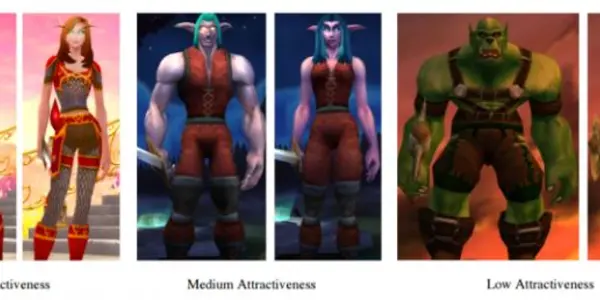
In a study of how people interacted with avatars in World of Warcraft, women received less help from fellow players than men when they operated an unattractive avatar - even less than when they used a male avatar, according to a paper in the Journal of Broadcasting and Electronic Media.This matches beliefs about how appearance stereotypes affect men and women in the real world. Some women believe they are more likely to suffer negative consequences based on their appearance than men are.
A new soybean with significantly reduced levels of three key proteins responsible for both its allergenic and anti-nutritional effects has been created. Soybean is a major ingredient in many infant formulas, processed foods and livestock feed used for agriculture.

Perhaps Lance Armstrong needs to get his Tour de France victories back - a new study shows that winning all of those may not have been because of performance-enhancing drugs, it may have been spite of them, which would make his successes all that more amazing.
Two ocean hot spots have been linked to the hottest summers on record for the central United States, in 1934 and 1936. Those two summers and the "Dust Bowl" that saw farming devastated were accompanied by the worst drought in America of the last 1,000 years.
In 1934, giant dust storms and drought covered more than 75 percent of the country and affected 27 states severely. Silt from storms even covered the decks of ships 200 miles off the east coast.
In biology class you learned that DNA (deoxyribonucleic acid) is the main component of our genetic material and it is formed by combining four parts: A, C, G and T (adenine, cytosine, guanine and thymine), called bases of DNA. These bases combine in thousands of possible sequences to provide the genetic variability that enables the wealth of aspects and functions of living beings.
In the early 1980s, the four "classic" bases of DNA sort of got a fifth - methyl-cytosine (mC), derived from cytosine, which was later linked to epigenetic mechanisms because it is able to switch genes on or off depending on the physiological needs of each tissue.
Scholars say they have found a way to prevent procrastination.
The trick? Think of the future as now. If you decide you will read this article tomorrow, you are already behind.