Kids Helping Kids Is Universal - But Cultures Help Differently
A simple game reveals a universal instinct in kids
A simple game reveals a universal instinct in kids


New research has brought us closer to understanding the health benefits of coffee.
Monash researchers, in collaboration with Italian coffee roasting company Illycaffè, have conducted the most comprehensive study to date on how free radicals and antioxidants behave during every stage of the coffee brewing process, from intact bean to coffee brew.

A new epidemiology paper correlates a 5 percent increase of a person's total energy intake provided by sweet drinks each day with an 18 percent greater risk of developing type 2 diabetes may increase by 18%.
The authors estimate that replacing the daily consumption of one serving of a sugary drink with either water or unsweetened tea or coffee can lower the risk of developing diabetes by between 14% and 25%.
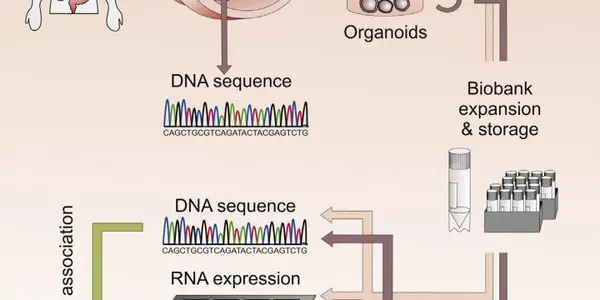
"Organoids", a futuristic-sounding term for three-dimensional cultures derived from tumors of cancer patients, closely replicate key properties of the original tumors - so close that these "organoid" cultures could be used for large-scale drug screens for the detection of genetic changes associated with drug sensitivity and pave the way for personalized treatment approaches.
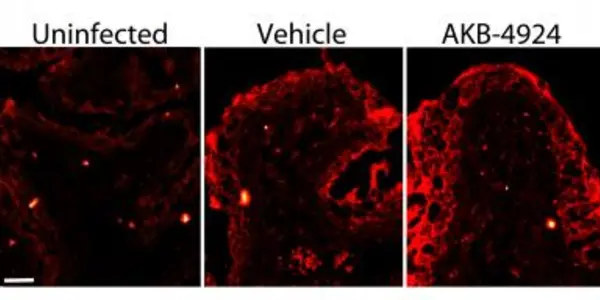
Urinary tract infections are common and wide-spread antibiotic resistance has led to calls for new ways to combat these infections. A recent paper details an experimental drug that stabilizes the human immune defense protein HIF-1α can protect human bladder cells and mice against a major UTI pathogen, and it might provide a therapeutic alternative or complement to antibiotic treatment.
Health interventions to increase exercise in older people are making senior citizens a giant class in a way we don't do with other demographics - in the modern world there is a big difference between someone 65 and someone 80, it is not simply 15 years, but advertising treats everyone with gray hair the same, yet don't do it with Generation X and Millennials.
A research team writes in Cell Metabolism that they have uncovered a clue to how bacteria may promote some colon cancers.
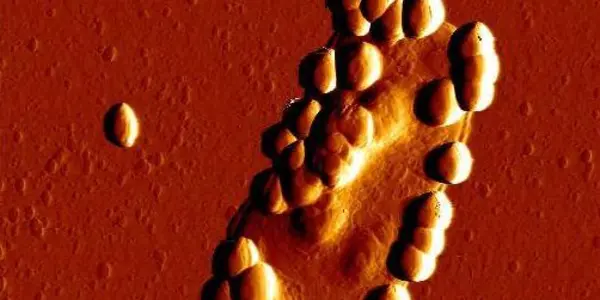
The work used metabolomic technologies to find molecular evidence suggesting a vicious circle in which cancerous changes in colon cells promote the growth of bacterial conglomerations called biofilms, and biofilms in turn promote cancer development.
On the whole, the findings suggest that removing bacterial biofilms could be a key strategy for preventing and treating colon cancers, which currently kill about 50,000 Americans per year. The study also revealed an apparent metabolic marker of biofilm-associated colon cancers.

The Andromeda galaxy is our nearest galactic neighbor in space. Though it is 2.5 million light-years away, its spiral of over 100 billion stars makes it visible as a cigar-shaped smudge of light high in the autumn sky. But there is also something that takes Hubble to notice - a huge bubble of hot, diffuse plasma surrounding it. If we could see that gargantuan halo from Earth, it would appear to be 100 times the angular diameter of the full Moon. The gargantuan halo can be thought of as the "atmosphere" of a galaxy and is estimated to contain half the mass of the stars in the Andromeda galaxy itself. Astronomers were able to identify the halo by measuring how it filtered the light of distant bright background objects called quasars.
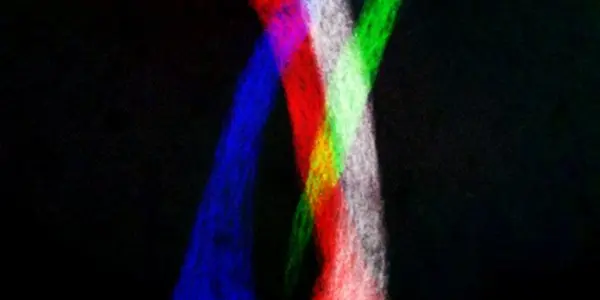
Most cameras have an auto-stabilization feature to compensate for movement during - and our eyes do also.But in order for that imperceptible reflex that prevents our vision from blurring when we move to do its job, wirelike projections - axons - of specialized nerve cells must find their way from the retina to the correct part of the brain during embryonic development. How those axons find their way through the brain's maze of neurons to make the right connection could lead to new ways to treat eye movement disorders.
Militant animal rights activists have forced Tübingen neuroscientist Professor Nikos Logothetis’ to announce that he will no longer do primate research. The death threats and hostility he has received are not worth it, he said. But scientists are showing solidarity, even if it just means signing a letter and they won't be getting in the way of any bullets. In less than 48 hours more than 2,000 scientists from all over the world signed a motion by Professor Peter Thier, Chairman of the Centre for Integrative Neuroscience (CIN) at the University of Tübingen.
American Millennials may be even more sexually permissive than the 1970s generation, noted for its bisexuality and drugs and unprotected sex in a consequence-free environment.Teen sex, premarital sex, gay sex, it's all a lot more commonly accepted than was the case 40 years ago, but Millennials haven't embraced '70s-era Swinger parties: Affairs while married are bad, according to analysis of surveys led by psychologist Jean M. Twenge of San Diego State University.
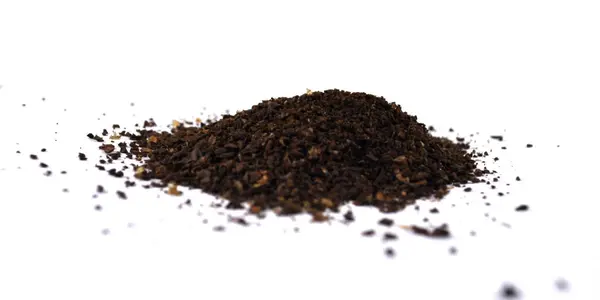
The epidermis of the coffee bean, known as coffee silverskin, is usually removed after the beans have been dried, and of course used coffee grounds are normally discarded unless people use them in their garden or as an abrasive cleaning product. It might be time to reconsider putting them in a landfill, according to a study from the University of Granada which set out to see what other value they might have. They found that the antioxidant effects of these coffee grounds are 500 times greater than those found in vitamin C and could be employed to create functional foods with significant health benefits. Credit: UGR Divulga
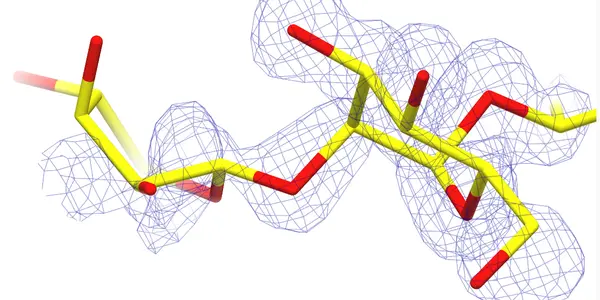
Carbohydrates, commonly known as sugars, are complex biological molecules linked to many fundamental cellular processes in living organisms, so accurate scientific information is important, but new research by scientists at the University of York Structural Biology Laboratory reveals that much of the deposited data on carbohydrate structures may be flawed.