Kids Helping Kids Is Universal - But Cultures Help Differently
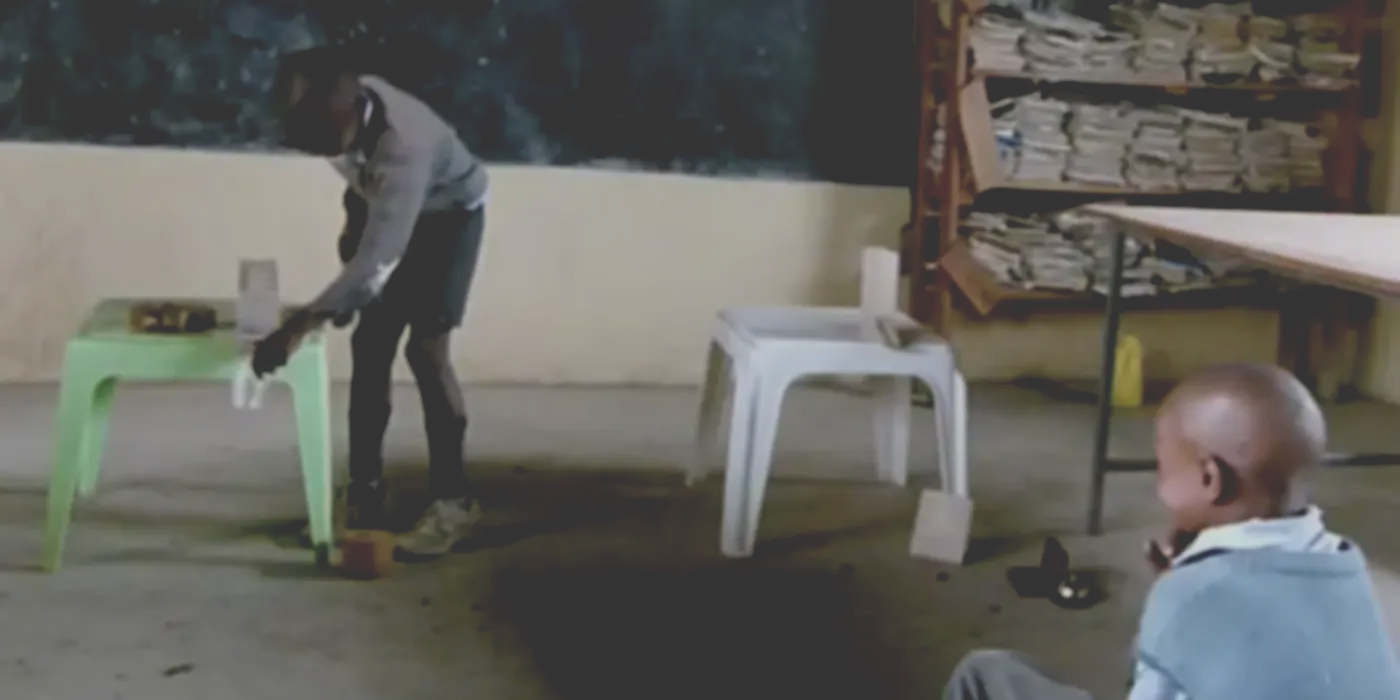
A simple game reveals a universal instinct in kids
A simple game reveals a universal instinct in kids


In 2002 on Christmas Eve, two-year-old Bryce Faber was diagnosed with neuroblastoma, a deadly. The toddler's treatment, in addition to surgery, included massive amounts of radiation followed by even more massive amounts of antibiotics, and it no doubt saved his life. But those mega-doses of antibiotics, while staving off infections in his immunosuppressed body, caused a permanent side effect: deafness.
"All I remember is coming out of treatment not being able to hear anything," said Bryce, now a healthy 14-year-old living in Arizona. "I asked my mom, 'Why have all the people stopped talking?'" He was 90 percent deaf.
"The loss has been devastating," said his father, Bart Faber. "But not as devastating as losing him would have been."
Despite high wages, there has been a shortage of primary care physicians in America and the Affordable Care Act, coupled with an increased 'teach to the protocol' environment in medical school, is going to make the shortage worse. With medical school costing so much, and increasing procedural limitations on how patients can be treated, doctors are starting to wonder how much of medicine actually requires a general practitioner. Becoming a general medical doctor may not be worth it, according to recent recommendations from doctors that qualified students pursue careers as nurse practitioners rather than as primary care physicians.

Researchers have solved a puzzle in traffic research, namely why so many people 'jerk' the wheel when they steer a car.
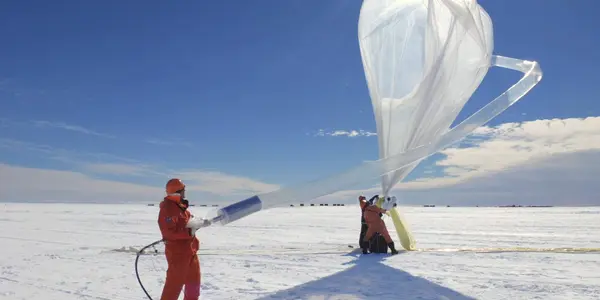
A new study shows that plasma waves buffeting the planet's radiation belts are responsible for scattering charged particles into the atmosphere, creating the most detailed analysis so far of the link between these waves and the fallout of electrons from the planet's radiation belts.
The belts are impacted by fluctuations in "space weather" caused by solar activity that can disrupt GPS satellites, communication systems, power grids and manned space exploration.
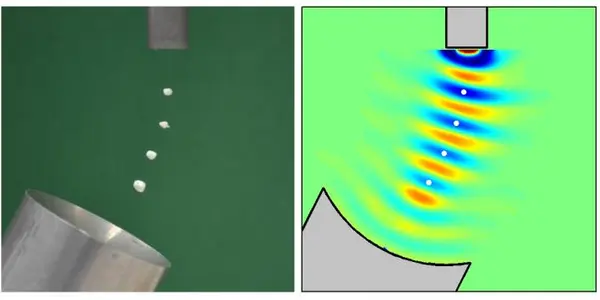
Acoustic levitation has been done in the past but it required a precise setup where the sound source and reflector were at fixed "resonant" distances. This made controlling the levitating objects difficult and isn't really proof-of-concept for anything practical.
Now a team of researchers have developed a new device that can levitate polystyrene particles by reflecting sound waves from a source above off a concave reflector below - with more control than any instrument created before. Changing the orientation of the reflector allows the hovering particle to be moved around.
Older men with locally advanced prostate cancer benefit by adding radiation treatment to hormone therapy versus hormone therapy alone, according to a new study which found that hormone therapy plus radiation reduced cancer deaths by nearly 50 percent in men aged 76 to 85 compared to men who only received hormone therapy.
Past studies have shown that 40 percent of men with aggressive prostate cancers are treated with hormone therapy alone, exposing a large gap in curative cancer care among "Baby Boomers" as they approach their their 70s.

Researchers have developed a detailed explanation of how white-nose syndrome is killing bats in parts of North America - the fungus Pseudogymnoascus destructans makes bats die by increasing the amount of energy they use during winter hibernation.
Researchers from the U.S. Geological Survey and the University of Wisconsin created a model for how the disease progresses from initial infection to death in bats during hibernation. Since bats must carefully ration their energy supply during this time to survive without eating until spring, they tested the energy depletion hypothesis by measuring the amounts of energy used by infected and healthy bats hibernating under similar conditions.
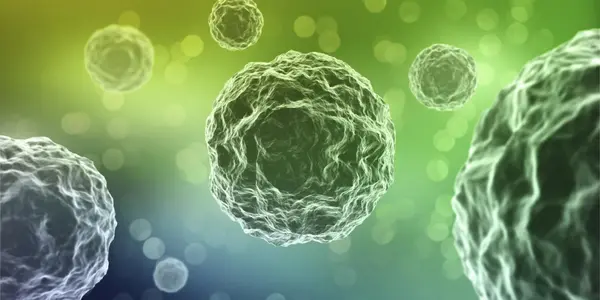
Elderly patients admitted to intensive care units are about 35 percent more likely to die within five years of leaving the hospital if they develop an infection during their stay.
The upside to this finding is that preventing two of the most common health care-associated infections - bloodstream infections caused by central lines and pneumonia caused by ventilators - can increase the odds that these patients survive and reduce the cost of their care by more than $150,000, according to a study in American Journal of Infection Control.
If you hit the ground with a hammer, it creates a micro-earthquake, but it is obviously too small to be detected. The ancient Chinese used to use a drum in the ground to listen for enemy sappers mining underneath their fortifications.
The process of hydraulic fracturing, or fracking, extracts gas and oil from shale rock by injecting a high-pressure water mixture directed at the rock to release the oil and gas trapped inside. Like any geological event, that results in micro-earthquakes much smaller than humans can feel.
Controlled-release fertilizers are a widely used method of delivering nutrients to nursery container crops. Controlled release is just like it sounds, the fertilizers contain encapsulated solid mineral nutrients that dissolve slowly in water which are released over an extended period of time.
Controlled-release fertilizers (CRFs)
are quite popular, but growers and researchers want ways to decrease fertilizer and irrigation expenses and reduce the impact of nutrient leaching into the environment, so a new study compares CRF placement strategies.
Folk wisdom has long held that people are more likely to catch a cold in cool-weather or damp conditions but some recent claims have disputed that and found the virus transmits just as often regardless of temperature. This has been latched onto by people who advocate less energy usage in order to minimize fossil fuel usage.
But the rhinovirus, the most frequent cause of the common cold, can reproduce itself more efficiently in the cooler temperatures found inside the nose than at core body temperature, according to a new study. That means cold is bad.

Bowhead whales can live to be over 200 years and show little evidence of the age-related disease that are apparent in humans in our senior years.
There may soon by answers why, thanks to a complete bowhead whale genome and identify key differences compared to other mammals. Alterations in bowhead genes related to cell division, DNA repair, cancer, and aging may have helped increase its longevity and cancer resistance.