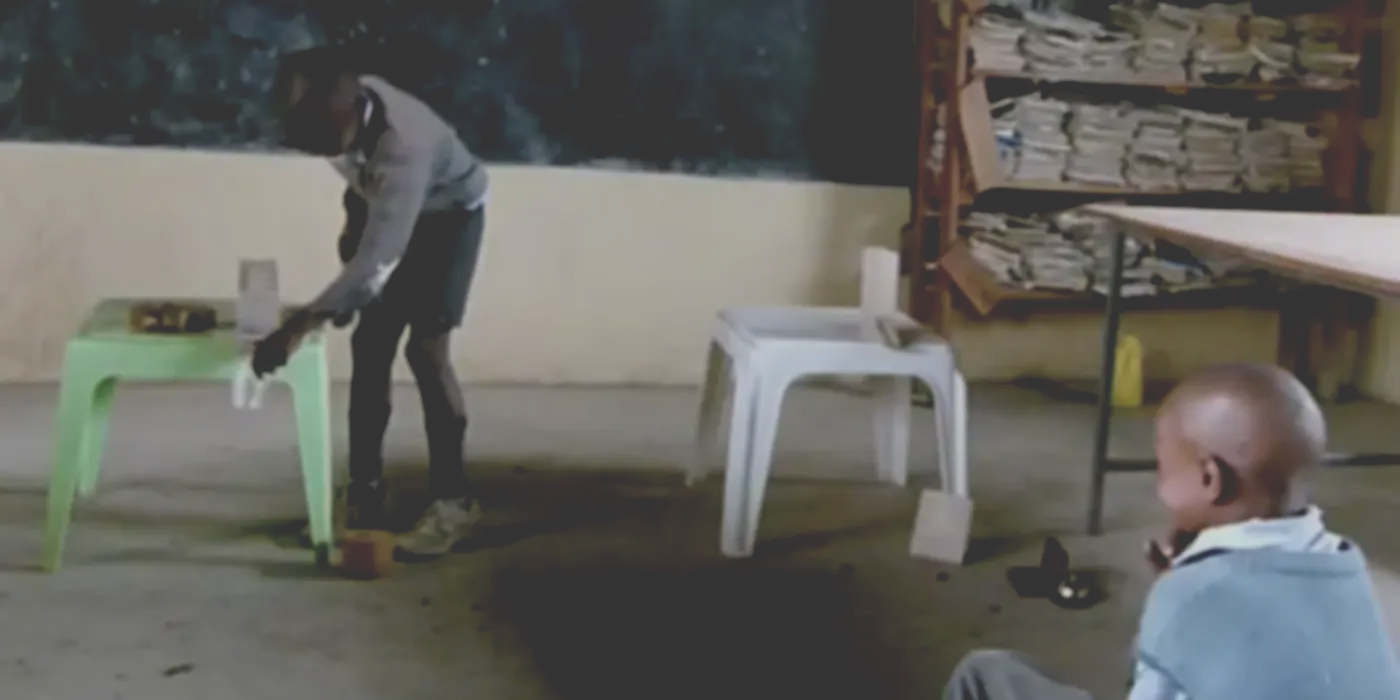
Kids Helping Kids Is Universal - But Cultures Help Differently
A simple game reveals a universal instinct in kids
A simple game reveals a universal instinct in kids


The most recent outbreak of the Ebola virus disease occurring in West Africa may have originated from contact between humans and virus-infected bats, according to a new study in EMBO Molecular Medicine, which identifies insectivorous free-tailed bats as plausible reservoirs and expands the range of possible Ebola virus sources to this type of bats.
The virus that spread from Meliandou into other areas of Guinea and Sierra Leone, Liberia, Nigeria and Senegal, represents the largest ever-recorded Ebola outbreak killing 7,800 people as of December 17th 2014.
New prostate screening guidelines recommend that the prostate-specific antigen (PSA) test not be used to screen for prostate cancer based on evidence that shows uncertain benefits and an increased risk of harm.
Prostate cancer is the most commonly diagnosed non-skin cancer in men and the third most common cause of death from cancer in men in Canada and elsewhere. In modern times, the prognosis for most prostate cancers is good with a 10-year survival rate of 95%. Prostate cancer is generally slow to progress and today is usually not life-threatening.

When the clock strikes midnight on New Year's Eve, champagne bottles get popped all around the world.
So what is it exactly that sends that cork flying? And what's the best way to pour your bubbly?
Credit: The American Chemical Society
This week, Reactions gives you plenty of champagne facts and tips to impress your fellow partygoers as you ring in the New Year.
Subscribe to the series at Reactions YouTube
Binge drinking in young, healthy adults significantly disrupts the immune system, according to a new epidemiology paper.
An increase in carbon dioxide in the atmosphere could initiate a chain reaction between plants and microorganisms that would unsettle one of the largest carbon reservoirs we have; soil.
Citing a new model, researchers say that the carbon in soil, which contains twice the amount of carbon in all plants and Earth's atmosphere combined, could become increasingly volatile as people add more carbon dioxide to the atmosphere, largely because of increased plant growth. The researchers developed their computer model to show at a global scale the complex interaction between carbon, plants and soil, which includes numerous bacteria, fungi, minerals and carbon compounds that respond in complex ways to temperature, moisture and the carbon that plants contribute to soil.

A pleasant or disgusting odor is not always just a preference, in some cases an organism's survival depends on it.
Odors can provide important information about food sources, oviposition sites or suitable mates and can also be signs of lethal hazards.
Recent results released by the National Institute on Drug Abuse finds that use of cigarettes, alcohol, and abuse of prescription pain relievers among teens declined from 2013 while marijuana use rates were stable.
These 2014 results are part of an overall two-decade trend among the nation's youth. The survey measures drug use and attitudes among eighth, 10th, and 12th graders, is funded by NIDA, and is conducted by researchers at the University of Michigan at Ann Arbor. Studies have found that teens have increased use of nicotine patches, e-cigarettes and energy drinks.
Hutchinson-Gilford progeria syndrome is a genetic condition in children that is characterized by dramatic, rapid appearance of aging. Affected children typically look normal at birth and in early infancy but grow more slowly than other children and develop characteristic facial appearances seen in some elderly people, along with hair loss, aged-looking skin and a loss of fat under the skin - subcutaneous fat. First described in 1886, it occurs in about 1 in 4 million newborns worldwide.
There is a disease killing honeybee populations around the world but you won't be surprised to find that environmental groups never mention it.
It's called American foulbrood disease and it doesn't get much attention because groups can't use it in fundraising campaigns due to it being completely natural. Science is setting out to cure it just the same, and researchers have found a toxin released by the pathogen that causes American foulbrood disease -- Paenibacillus larvae (P. larvae) -- and developed a lead-based inhibitor against it.
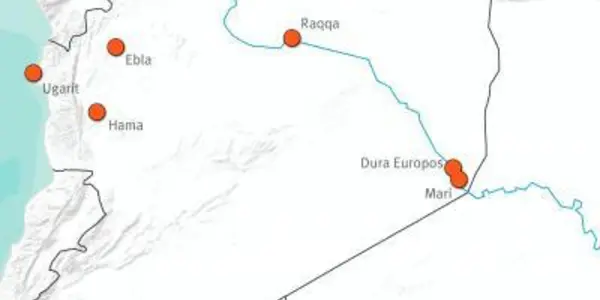
It's no secret that war is tough on innocent buildings so it is no surprise that four of six major archaeological sites in Syria have been heavily looted and damaged, according to an analysis of high-resolution satellite images.
The report analyzes 6 of the 12 sites that Syria has nominated as World Heritage Sites: Dura Europos, Ebla, Hama's Waterwheels, Mari, Raqqa, and Ugarit. Images from 2014 show numerous pits throughout three sites where ancient cities once stood. The pits generally do not appear in similar images from 2011, when the conflict in Syria began.

We don't often think of snakes as flying creatures - a lack of wings does not lend itself to flying imagery - but some snakes can glide as far as 100 feet through the air, jumping off tree branches and rotating their ribs to flatten their bodies and move from side to side.
New research from a George Washington University professor investigates the workings behind the flight and whether they can be applied to mechanical issues.
A nationwide project to study the genetic causes of rare developmental disorders has found 12 causative genes that were unidentified before. The Deciphering Developmental Disorders (DDD) nationwide genome-wide diagnostic sequencing program sequenced DNA and compared the clinical characteristics of over a thousand children to find the genes responsible for conditions that include intellectual disabilities and congenital heart defects, among others.