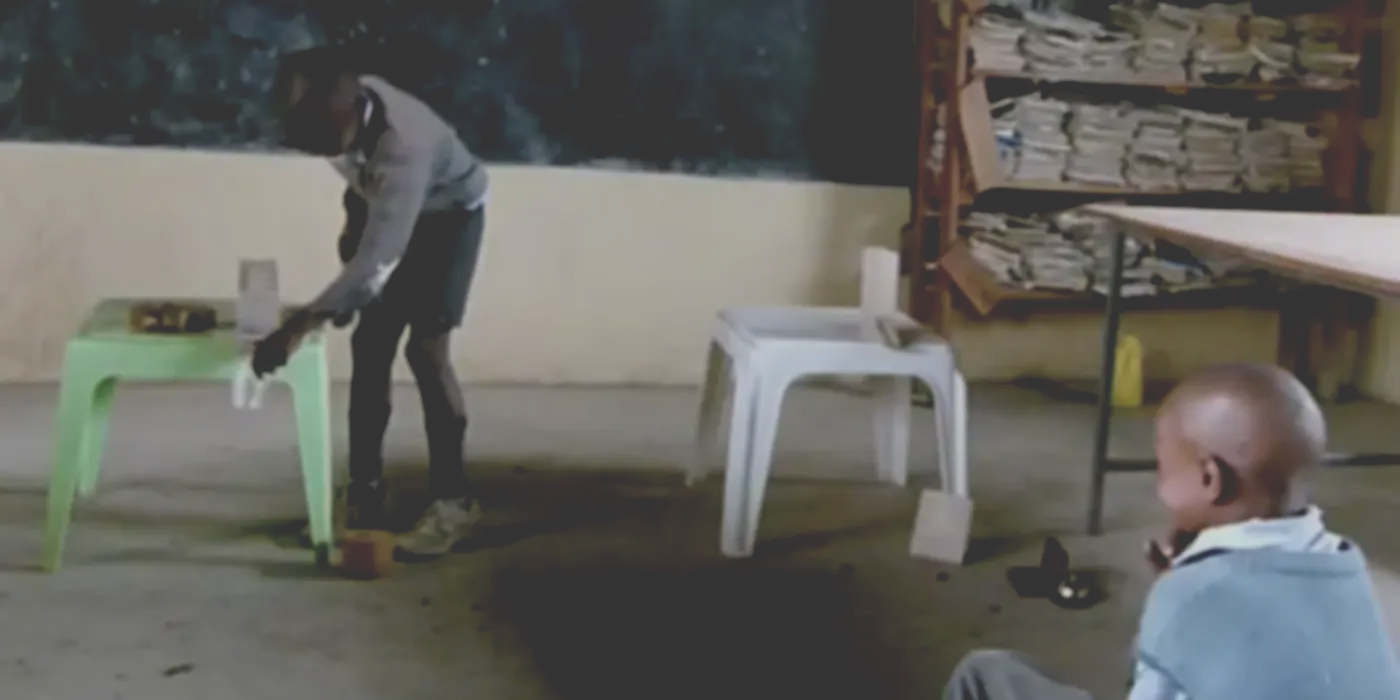
Kids Helping Kids Is Universal - But Cultures Help Differently
A simple game reveals a universal instinct in kids
A simple game reveals a universal instinct in kids

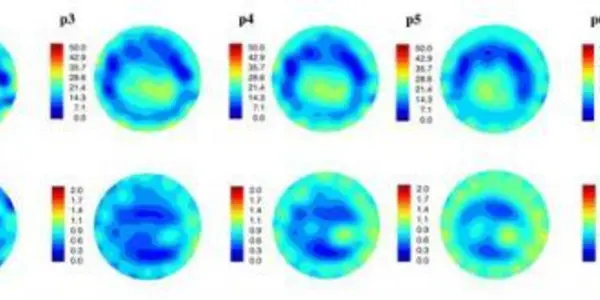
Diagnostic screening systems for breast cancer like X-ray computed tomography (CT) and mammography are effective at detecting early signs of tumors but they subject patients to ionizing radiation and sometimes inflicting discomfort on women who are undergoing screening, because of the compression of the breast that is required to produce diagnostically useful images.

Effective treatments for lung cancer has been challenging because so many genetic mutations play a role in the disease. Mutations, by their very definition, are difficult to predict, they occur due to random cosmic rays over time and in other natural ways, and can be aggravated by some aspects of the environment.
But by analyzing the DNA and RNA of lung cancers, researchers at the University of Michigan Comprehensive Cancer Center found that patients whose tumors contained a large number of gene fusions had worse outcomes than patients with fewer gene fusions. Gene fusions are a type of genetic anomaly found in cancers that occurs when genes get rearranged and fuse together.
It's probably not a good idea to buy a car for a teenager, but for parents inclined to do so, financial prudence is recommended: They will not drive with the same skill as an older person, the risk of accident is higher, they may not know how to maintain it and those things all add up to expensive mistakes.
It is common in some fields to infer that differences in one area will ultimately reflect differences in the end product. Though the real abuse and misuse is with neuroscience and tools like fMRI imaging, they are not alone.
Geneticists have also commonly suggested that RNA differences will mean differences in proteins but the majority of RNA expression differences between individuals have no connection to the abundance of a corresponding protein, finds a new study.
Instead, there is likely a yet-unidentified cellular mechanism that regulates gene expression and RNA measurements to characterize gene function won't stand alone.
If you can't balance on one leg for 20 seconds you are more likely to have small blood vessel damage in the brain and reduced cognitive function, even if you otherwise seem healthy, according to new research in Stroke.
The study consisted of 841 women and 546 men, average age of 67. To measure one-leg standing time, participants stood with their eyes open and raised one leg. The maximum time for keeping the leg raised was 60 seconds. Participants performed this examination twice and the better of the two times was used in the study analysis. Cerebral small vessel disease was evaluated using brain magnetic resonance imaging.
Though the U.S. government is touting claims that it has created an economic engine better than at any time in the 20th century, the reality is much different and a large part of the reason why Congress has lurched to the opposition party of U.S. President Barack Obama.
If people have been unemployed for so long they can no longer get unemployment benefits, the government frames it as that they went back to work. And we have been engaged in a culture war on business, everything from nuclear energy and natural gas to manufacturing of every kind.

You should not be surprised by the irregularity of a newborn infant's sleep patterns but by the age of six months, if the baby is not sleeping through the night, many parents wonder if something is wrong with their baby or their sleeping arrangements.
It helps parents to understand that "normal" sleep patterns for a child are somewhat broad, according to a new paper.
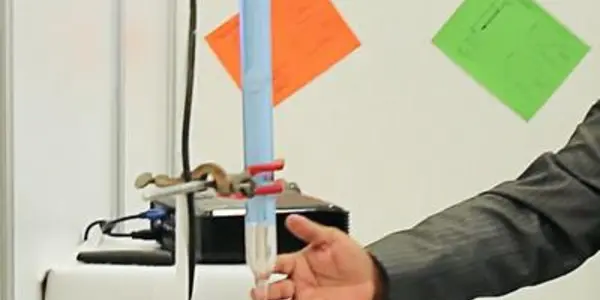
Researchers at the University of Guanajuato (UGTO), in middle Mexico, developed an extraction column which recovers metals companies use in their production processes; and thus avoid environmental pollution and lessen economic losses.Using the principles of liquid-liquid technology, researchers have developed an extraction column which recovers metals companies use in their production processes and avoids both environmental pollution and lessen economic losses. The technology is already at laboratory prototype stage and the creators are in the process of obtaining a patent. Credit: University of Guanajuato/Investigación y Desarrollo
Neutrophils are a type of white blood cell and are summoned to fight infections or injury in any tissue or organ in the body, regardless of cellular and biochemical composition.
How do neutrophils, the body's all terrain vehicles, move in these confined spaces?
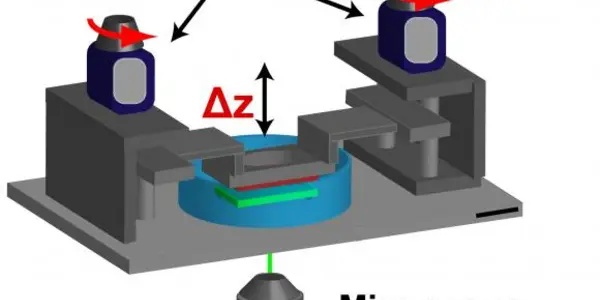
A team from Brown University's School of Engineering and the Department of Surgery in the Warren Alpert Medical School collaborated find out. Their technique involved two hydrogel sacks sandwiched together with a minuscule space in between. Neutrophils could be placed in that space, mimicking the confinement they experience within tissue. Time-lapse cameras measure how fast the cells move, and traction force microscopes determine the forces the cells exert on the surrounding gel.
How people behave in a social network is somewhat mysterious, in the same way we can predict a presidential election with unprecedented accuracy but we can't predict how one person among the six percent of America that chooses a president will vote.
Decision-making often involves a confluence of opinions, decisions and behaviors of individuals influenced by their online networks, the same way they used to be shaped by their real-life networks.
A recent project set out to apply some math to help find some answers.
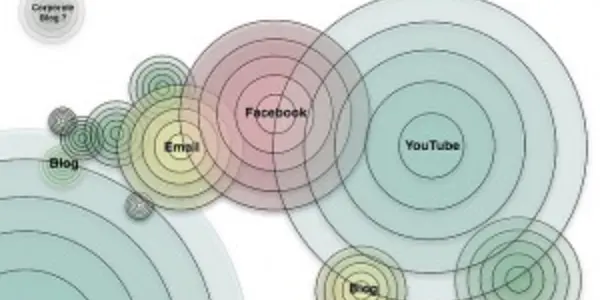
Ripple across social networks. Image credit: Laurel Papworth. Creative Commons
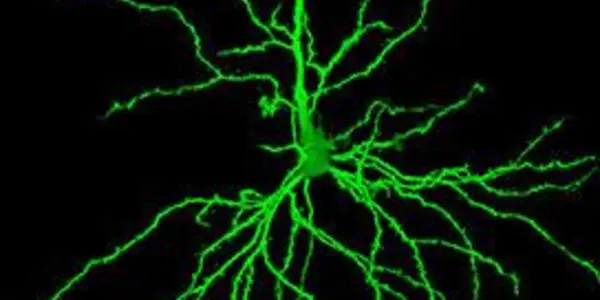
In some cases, seniors begin to show memory decline and cloudy judgment and researchers have correlated that to lost and altered connections between neurons in the brain.
A new study finds that riluzole, currently on the market as a treatment for Lou Gehrig's Disease (Amyotrophic lateral sclerosis - ALS) may help prevent these changes. The team found they could stop normal, age-related memory loss in rats by treating them with riluzole. This treatment, they found, prompted changes known to improve connections, and as a result, communication, between certain neurons within the brain's hippocampus.

Modern human skeletons, with our lightly-built form, evolved only relatively recently, after the start of the Holocene about 12,000 years ago and even more recently in some human populations, according to a study that used high-resolution imaging of bone joints from modern humans and chimpanzees as well as from fossils of extinct human species.
For millions of years, extinct human predecessors had high bone density. A higher decrease in the density of lower limbs than in that of the upper limbs suggests that the transformation may be linked to humans' shift from a foraging lifestyle to a sedentary agricultural one.