Kids Helping Kids Is Universal - But Cultures Help Differently
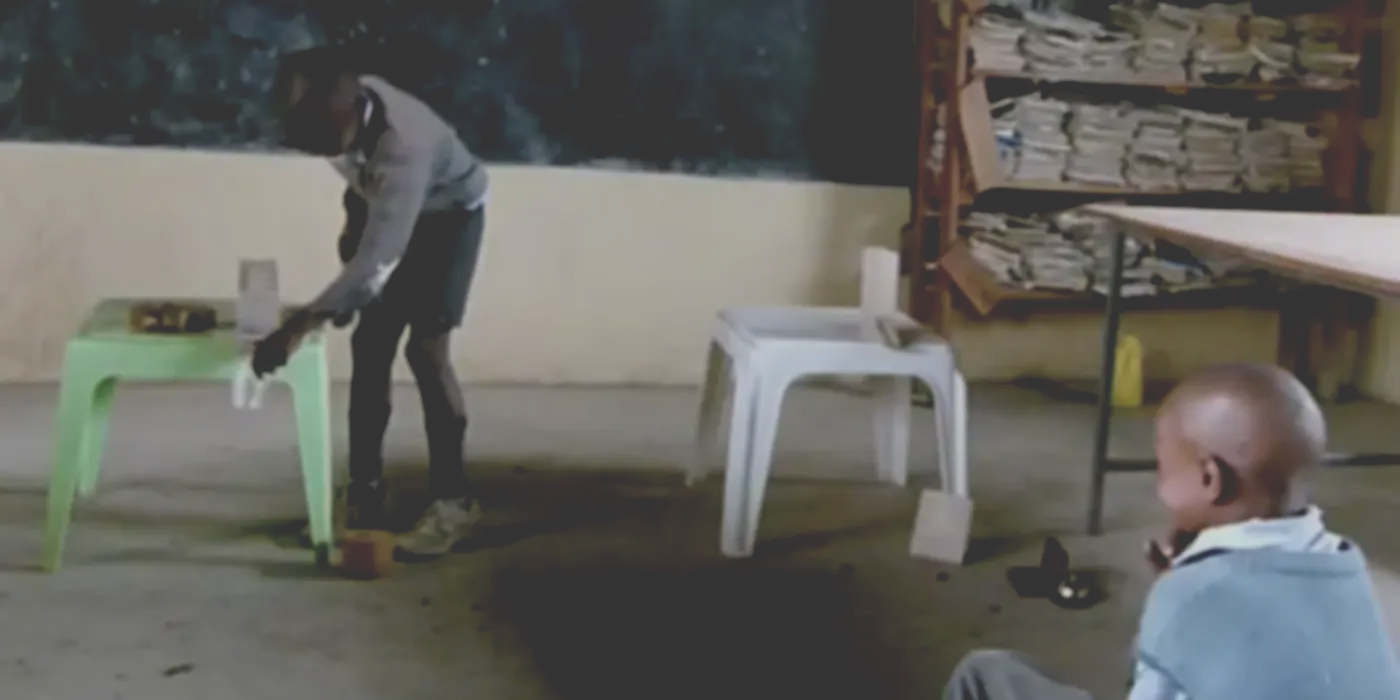
A simple game reveals a universal instinct in kids
A simple game reveals a universal instinct in kids

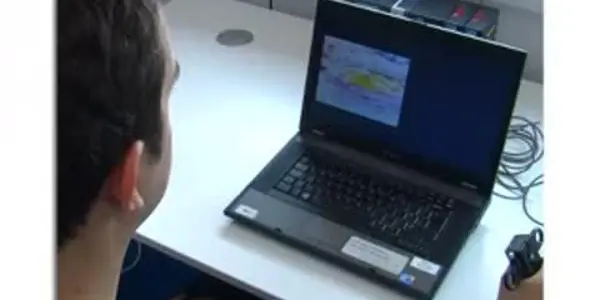
According to Dr. Fletcher, typical approaches for evaluating anti-obesity type drugs rely on more subjective methods—like having test subjects self-report their ratings of hunger and cravings.
"When a person is asked how much they subjectively desire a food, they may feel pressured to give a 'correct' rather than a true answer," said Dr. Fletcher, "[Our] grip force task may, under certain circumstances, present a more accurate reflection of what they really want."
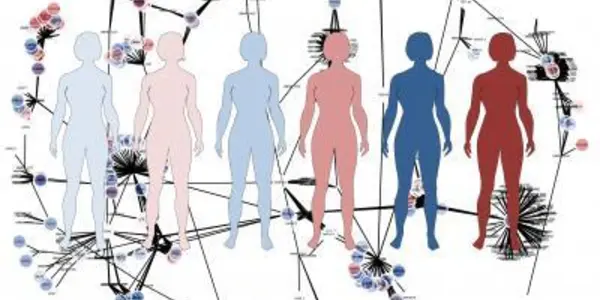
The heart disease drug perhexiline is one of 101 compounds predicted to prevent cancer growth in most patients suffering from our most common liver cancer, HCC. This is an outcome from a novel simulation-based approach using personal sets of proteins of six HCC patients.
"This is the first time personalized models have been used to find and evaluate new potential drugs," says Professor Jens Nielsen at Chalmers University of Technology.
--

The popular belief is that religion and being poor are the biggest risk factors for violent radicalization but a new analysis by Queen Mary University of London has instead found that youth, wealth, and being in full-time academia are more common in the UK.
The pioneering research assessed population prevalence of sympathies for terrorist acts – a key marker of vulnerability to violent radicalisation – and their relationship with commonly assumed causes of radicalisation. The community study surveyed over 600 men and women of Pakistani, Bangladeshi and Muslim heritage in London and Bradford, aged 18-45.
Statins may provide doctors with an unlikely new weapon with which to slow the progression of multiple sclerosis (MS).
No treatments can currently abate the advanced stage of the disease, known as secondary progressive MS, which gradually causes patients to become more disabled.
In a two-year clinical trial involving 140 patients with secondary progressive MS, the drug simvastatin slowed brain shrinkage, which is thought to contribute to patients' impairments. Supporting this finding, patients on simvastatin achieved better scores on movement tests and questionnaires that assess disability than patients taking a placebo.
True monogamy is rare in the animal kingdom. Even in species that appear to "mate for life," genetic maternity and paternity tests have revealed that philandering often takes place.
Yet a new study by University of Pennsylvania researchers shows that Azara's owl monkeys (Aotus azarae) are unusually faithful. The investigation of 35 offspring born to 17 owl monkey pairs turned up no evidence of cheating; the male and female monkeys that cared for the young were the infants' true biological parents.
An additional analysis of 15 pair-living mammals by the Penn team found a strong connection between a species' faithfulness and significant involvement of males in caring for their young.

A UNSW-led team of researchers studying bottlenose dolphins that use sponges as tools has shown that social behaviour can shape the genetic makeup of an animal population in the wild.
Some of the dolphins in Shark Bay in Western Australia put conical marine sponges on their rostrums (beaks) when they forage on the sea floor – a non-genetic skill that calves apparently learn from their mother.
Lead author, Dr Anna Kopps, says sponging dolphins end up with some genetic similarities because the calves also inherit DNA from their mothers. As well, it is likely that sponging dolphins are descendants of a "sponging Eve", a female dolphin that first developed the innovation.

The first humans to pluck a Caribbean fighting conch from the shallow lagoons of Panama's Bocas del Toro were in for a good meal. Smithsonian scientists found that 7,000 years ago, this common marine shellfish contained 66 percent more meat than its descendants do today. Because of persistent harvesting of the largest conchs, it became advantageous for the animal to mature at a smaller size, resulting in evolutionary change.
DALLAS, March 18, 2014 — When a heart gets damaged, such as during a major heart attack, there's no easy fix. But scientists working on a way to repair the vital organ have now engineered tissue that closely mimics natural heart muscle that beats, not only in a lab dish but also when implanted into animals. They presented their latest results at the 247th National Meeting & Exposition of the American Chemical Society (ACS), the world's largest scientific society.
The talk was one of more than 10,000 being presented at the meeting, which continues here through Thursday.
NEW YORK, NY (March 18, 2014) — Vitamin D deficiency has been implicated in numerous health conditions in recent years, including depressed mood and major depressive disorder. Recent observational studies provide some support for an association of vitamin D levels with depression, but the data do not indicate whether vitamin D deficiency causes depression or vice versa. These studies also do not examine whether vitamin D supplementation improves depression.
Critically ill patients receiving mechanical ventilation had a higher prevalence of prior psychiatric diagnoses and an increased risk of a new psychiatric diagnosis and medication use after hospital discharge, according to a study in the March 19 issue of JAMA.
With recent advances in medical care, more patients are surviving critical illness. Critically ill patients are exposed to stress, including pain, respiratory distress, and delirium, all of which may impact subsequent mental health. The extent of psychiatric illness prior to critical illness, as well as the magnitude of increased risk of psychiatric illness following critical illness, is unclear, according to background information in the article.
Did the Polynesians beat Columbus to South America?
Not according to archaeological
evidence. The new tale of migration was uncovered by analysis of ancient DNA from...chicken bones.
The ancient DNA has been used to study the origins and dispersal of ancestral Polynesian chickens, reconstructing the early migrations of people and the animals they carried with them.
Among the copious species of poultry in China, quail and chickens are the likely sources of infection of H7N9 influenza virus to humans, according to a paper published ahead of print in the Journal of Virology.
"Knowing the likely poultry species lets us target our interventions better to prevent human infections," says corresponding author David Suarez, of the United States Department of Agriculture.