Kids Helping Kids Is Universal - But Cultures Help Differently
A simple game reveals a universal instinct in kids
A simple game reveals a universal instinct in kids


As if pretty people didn't have enough advantages, they may also give us a glance at their reproductive health, according to a paper in the American Journal of Human Biology reveals a link between Body Mass Index (BMI) and the amount of bacteria colonizing noses.
The results show that heavier men harbor more potentially pathogenic species of bacteria in their nose, compared with slimmer, more traditionally attractive men.

Julie Hartup, Mariana Islands Program Leader for the Manta Trust, has caught mantas on Guam in the act of having a party.
Several of Hartup's paddler and free diving friends told her about seeing mantas congregating in an area where surgeonfish were spawning, and they knew the exact date. With the date, Hartup was able to calculate the moon phase - many fish synchronize their spawning with the moon - and using this information she predicted when the spawning event would occur that upcoming year and was there to witness a shoal of spawning surgeonfish accompanied by a fever of mantas.

A mouse's heart beats about the same number of times in its lifetime as an elephant's, but a mouse only lives for about a year while an elephant will live to be about 70.
Why do small plants and animals mature faster than large ones? Why has nature chosen such radically different forms as the loose-limbed beauty of a flowering tree and the fearful symmetry of a tiger?
Does cortisol, the stress hormone, cause risk aversion and 'irrational pessimism' in bankers and fund managers during financial crises?
The authors of a paper in
Proceedings of the National Academy of Sciences
correlate the fact that traders exhibit risk averse behavior during periods of extreme market volatility – when a crashing market most needs them to take risks, according to academics not responsible for billions of dollars of someone else's money – and that this change in their appetite for risk may be "physiologically-driven", specifically by the body's response to cortisol. They suggest that stress could be an "under-appreciated" cause of market instability.
Older football veterans contend that modern equipment, and its ability to protect players from injury, ironically lead to more of it. Rugby players agree.
They may be right. A new study finds that modern football helmets do little to protect against hits to the side of the head and the rotational force that is often a dangerous source of brain injury and encephalopathy.
Policy makers are in constant discussion about a range of climate change mitigation possibilities and among the least understood are geoengineering methods.
The injection of sulfate particles into the atmosphere to reflect sunlight and curb the effects of global warming could pose a severe threat if not maintained indefinitely and also supported by strict reductions in greenhouse gas (GHG) emissions, write University of Washington researchers in Environmental Research Letters.

If we want to see worldwide trends in public health, look to the South Pacific archipelago of Samoa and American Samoa.
About 75 percent of the U.S. territory's adult population is obese, the highest rate in the world. Rates of type 2 diabetes top 20 percent and a recent study found that the elevated obesity rates are now even present in newborns.
This obesity epidemic began there a few decades ago. Brown University epidemiologist Stephen McGarvey has investigated the obvious question: How did all this happen?
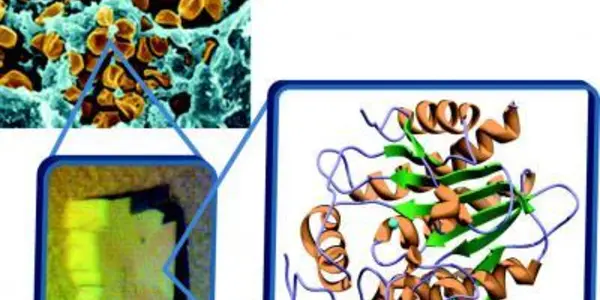
Tularemia, also called "rabbit fever", is, unlike anthrax or smallpox, the bioweapon you are least likely to know about.
But it is common in the northeastern United States and because it has been weaponized in various parts of the world could be a significant risk to biosecurity.
At the Annual Biophysical Society Meeting in San Francisco, Geoffrey K. Feld, a Postdoctoral researcher in the Physical&Life Sciences Directorate at Lawrence Livermore National Laboratory (LLNL), described the team's work to uncover the secrets of the bacterium Francisella tularensis, which causes tularemia.
Some people don't remember dreams at all while some remember them frequently. What separates them?
Images in brain scans, at least, though that may lead to a more meaningful answer also.

A small minority of religious and scientific communities insist the two can't get along. If you see 'scientocracy' or 'Galileo' invoked, you can be sure rationality has left the discussion.
Almost 50 percent of scientists consider themselves religious and almost 50 percent of Evangelicals, the religious demographic least likely to accept evolution, say that science and religion get along just fine.
But among the general public, only 38 percent feel that way.
Monoclonal antibodies directed against tumor antigens have proven effective for treating some forms of cancer. Despite the increasing use of monoclonal antibody therapy, it is not clear how these antibodies drive tumor removal.
In this issue of the Journal of Clinical Investigation, Marjolein van Egmond and colleagues at the VU University Medical Center found that macrophage populations mediate tumor cell removal following monoclonal antibody treatment by actively phagocytosing tumor cells.

As scientists try to forecast the effects of climate change, one of the missing pieces of the puzzle is what will happen to the carbon in the soil and the microbes too.
Scientists studying grasslands in Oklahoma have discovered that an increase of 2 degrees Celsius in the air temperature above the soil creates significant changes to the microbial ecosystem underground. Compared to a control group with no warming, plants in the warmer plots grew faster and higher, which put more carbon into the soil as the plants senesce. The microbial ecosystem responded by altering its DNA to enhance the ability to handle the excess carbon.