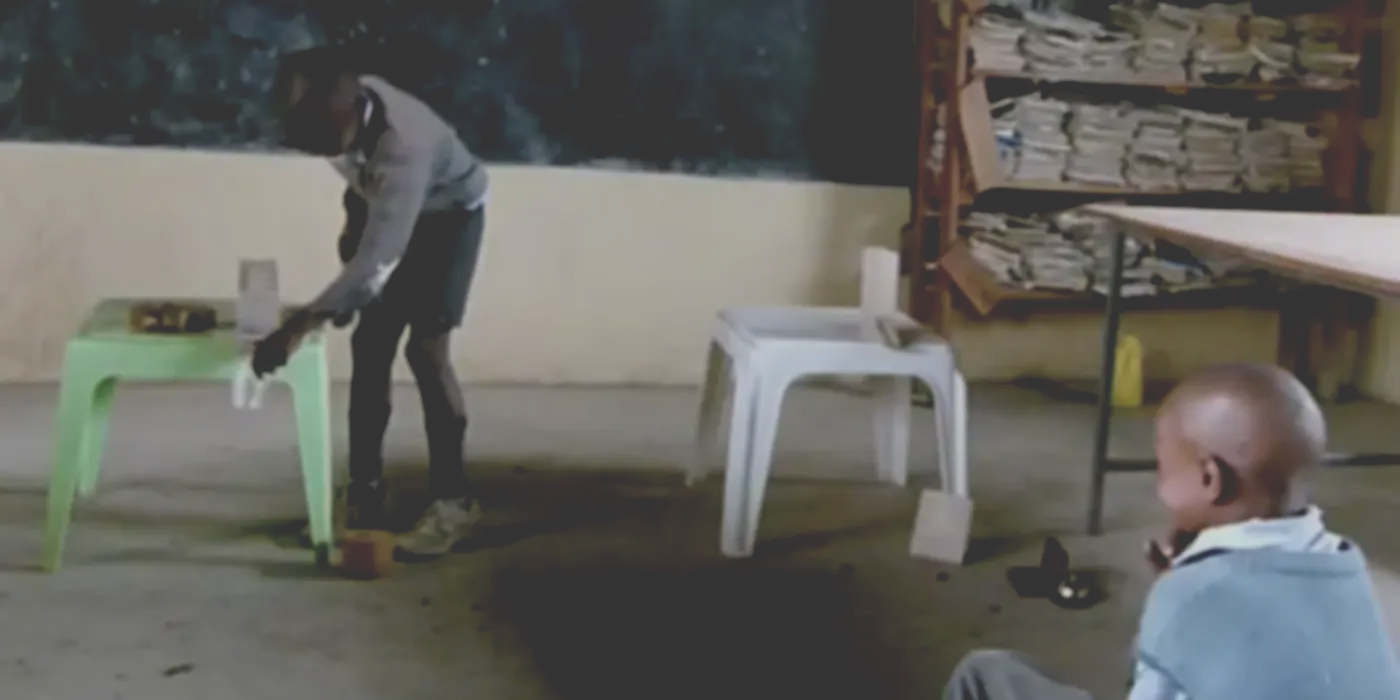
Kids Helping Kids Is Universal - But Cultures Help Differently
A simple game reveals a universal instinct in kids
A simple game reveals a universal instinct in kids

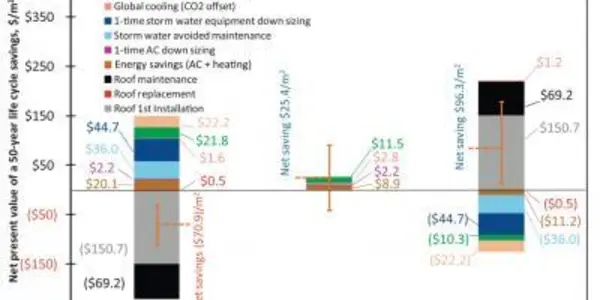
Looking strictly at the economic costs and benefits of three different roof types—black, white and "green" (or vegetated)—Lawrence Berkeley National Laboratory (Berkeley Lab) researchers have found in a new study that white roofs are the most cost-effective over a 50-year time span. While the high installation cost of green roofs sets them back in economic terms, their environmental and amenity benefits may at least partially mitigate their financial burden.
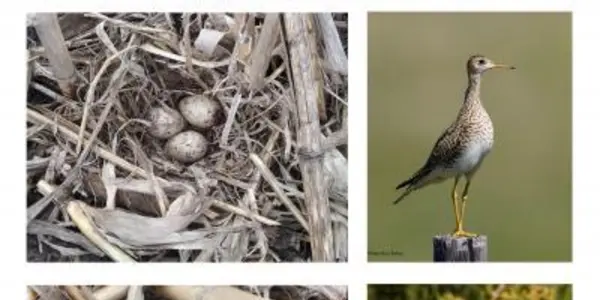
While marketing campaigns against farming claim otherwise, agricultural practices can have a broad beneficial influence on bird abundance and diversity. Row crops are considered to be bad for wildlife but a new study shows that isn't necessarily true.
The report finds that several bird species – some of them rare – are making extensive use of soybean fields in Illinois.
The team spent about 13 weeks each spring and summer in 2011 and 2012 scouring a total of 24 fields (12 per year) in two counties in Central Illinois. The fields were 18 to 20 hectares (44-49 acres) on average, and the researchers walked roughly 3,200 kilometers (1,988 miles) in the course of the study.

(Santa Barbara, Calif.) — A device that can monitor the levels of specific drugs as they flow through the bloodstream may soon take the guesswork out of drug dosing and allow physicians to tailor prescriptions to their patients' specific biology. Developed by UC Santa Barbara researchers Tom Soh, Kevin Plaxco and Scott Ferguson, the biosensor combines engineering and biochemistry and has far-reaching potential.
Doctors and pharmaceutical companies can generally determine reasonable drug doses for most patients through batteries of tests and trials. However, the efficacy of a drug treatment relies on maintaining therapeutic levels of the drug in the body, a feat not so easily accomplished.

A new paper in Trends in Endocrinology & Metabolism finds that regular exposure to mild cold may be a healthy and sustainable way to help people lose weight. Obviously so would eating less.
Their work suggests our warm and cozy homes and offices might be partly responsible for our expanding waistlines rather than our buffet lunches.
An analysis of routine insurance data from the Barmer GEK statutory health insurance company shows that during the years 2005 to 2012, antipsychotic prescriptions for kids in Germany increased a lot.
Airline-related complaints made to the U.S. Department of Transportation (DOT) from 2002 to 2012 reveal that passengers were less likely to make a formal complaint about service quality if they were on a long-established "network" carrier.
Passengers of low-cost upstarts tended to complain less, even though the quality of service may have been just as poor.
Responsive holograms that change colour in the presence of certain compounds are being developed into portable medical tests and devices, which could be used to monitor conditions such as diabetes, cardiac function, infections, electrolyte or hormone imbalance easily and inexpensively.
Texting on your phone while walking alters posture and balance according to a study published in PLOS ONE on January 22, 2014 by Siobhan Schabrun and colleagues from the University of Queensland.
Sending text messages has become an increasingly popular form of communication, but little is known about how sending text messages impacts our lives. Scientists studied the effect of mobile phone use on body movement while walking in 26 healthy individuals. Each person walked at a comfortable pace in a straight line over a distance of approximately 8.5 m while doing one of three tasks: walking without the use of a phone, reading text on a mobile phone, or typing text on a mobile phone. The body's movement was evaluated using a three-dimensional movement analysis system.
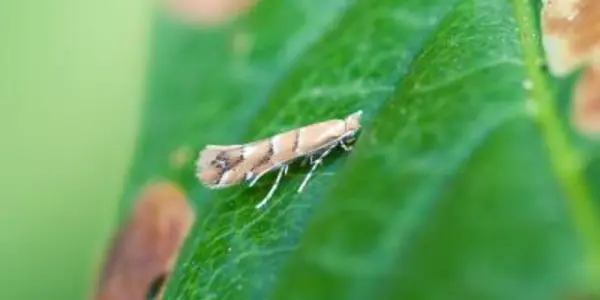
An army of citizen scientists has helped the professionals understand how a tiny 'alien' moth is attacking the UK's conker (horse-chestnut) trees, and showed that naturally-occurring pest controlling wasps are not able to restrict the moth's impact.
The study's conclusions are published this week in the open access scientific journal PLOS ONE.
No bigger than a grain of rice, the horse-chestnut leaf-mining moth has spread rapidly through England and Wales since its arrival in London in 2002. The caterpillars of the moth 'tunnel' through the leaves of conker trees, causing them to turn brown and autumnal in appearance, even in the height of summer.
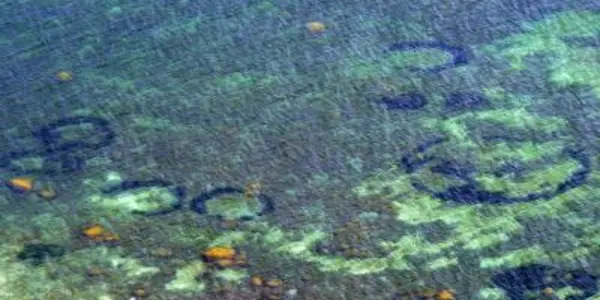
Are they landing marks for aliens? Craters from World War II bombs?
The first pictures, which appeared in 2008 after being taken by a tourist, showed some strange circular formations in the shallow waters off the famous white cliffs of chalk on the island Møn in Denmark. And then they disappeared.
In 2011, the circles came back, and this time there were so many that they made it into media stories.
Since those first images appeared, people have searched for an explanation.

No more killing the good bacteria along with the bad. An antibiotic "smart bomb" can identify specific strains of bacteria and sever their DNA, eliminating the infection and reducing multi-drug resistant bacteria.
The new approach works by taking advantage of a part of an immune system present in many bacteria called the CRISPR-Cas system. The CRISPR-Cas system protects bacteria from invaders such as viruses by creating small strands of RNA called CRISPR RNAs, which match DNA sequences specific to a given invader. When those CRISPR RNAs find a match, they unleash Cas proteins that cut the DNA.
Marijuana use has been involved in a sharp increase in fatal motor vehicle crashes, with rates nearly tripling since 1999.
The prevalence of non-alcohol drugs detected in fatally injured drivers in the U.S. has been steadily rising and tripled from 1999 to 2010. Marijuana is the most commonly detected non-alcohol drug involved.