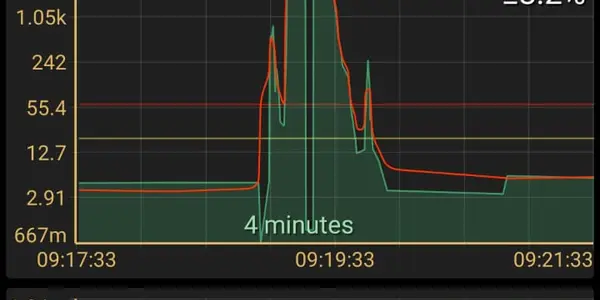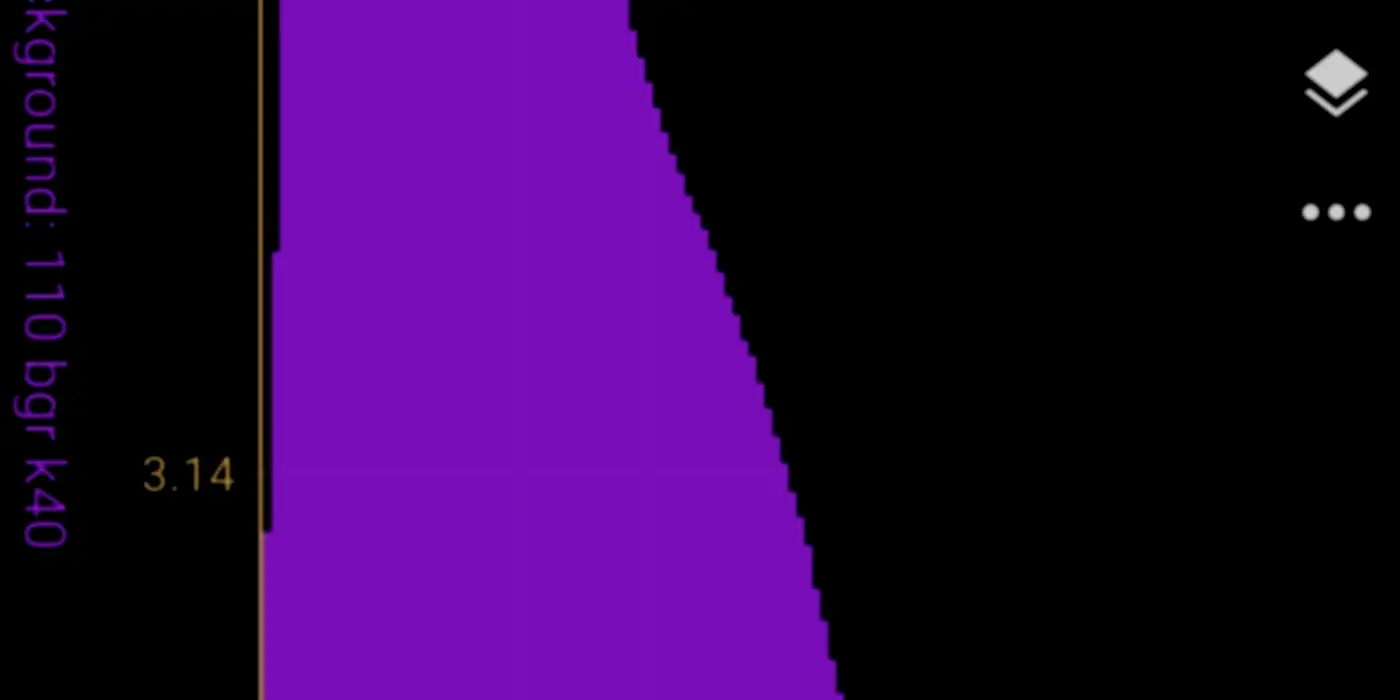
More on Radiacode 110
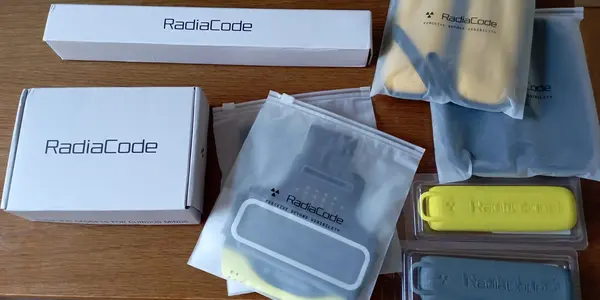
This is the second post reporting a few tests of the Radiacode 110 spectrometer, an extra-cool pocket dosimeter/radiation counter/spectrograph sold by RadiaCode.
This is the second post reporting a few tests of the Radiacode 110 spectrometer, an extra-cool pocket dosimeter/radiation counter/spectrograph sold by RadiaCode.

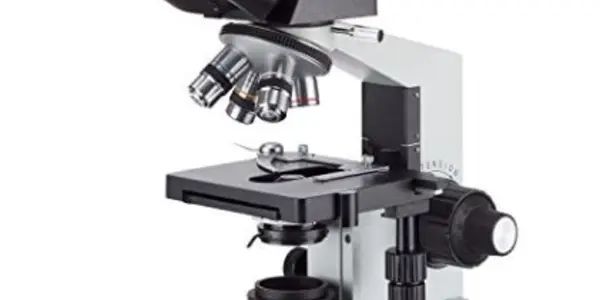
I have always been fascinated by optical instruments that provide magnified views of Nature: microscopes, binoculars, telescopes. As a child I badly wanted to watch the Moon, planets, and stars, and see as much detail as I could on all possible targets; at the same time, I avidly used a toy microscope to watch the microworld. So it is not a surprise to find out I have grown up into a particle physicist - I worked hard to put myself in a vantage position from where I can study the smallest building blocks of matter with the most powerful microscope ever constructed, the Large Hadron Collider (LHC).
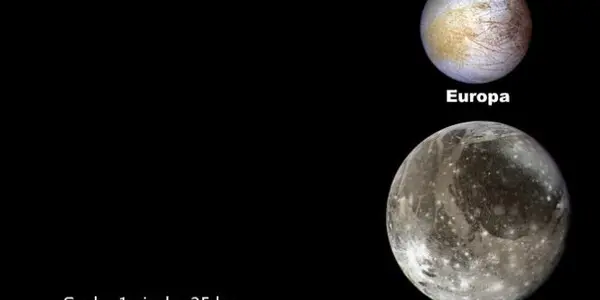
Last night I was absolutely mesmerized by observing the transit of Ganymede and Io, two of Jupiter's largest four moons, on Jupiter's disk. Along with them, their respective ink-black shadows slowly crossed the illuminated disk of the gas giant. The show lasted a few hours, and by observing it through a telescope I could see a three-dimensional view of the bodies, and appreciate the dynamics of that miniature planetary system. In this post I wish to explain to you, dear reader, just why the whole thing is so fascinating and fantabulous to see, in the hope that, should you have a chance to observe it yourself, you grab the occasion without considering the lack of sleep it entails. I am sure you will thank me later.
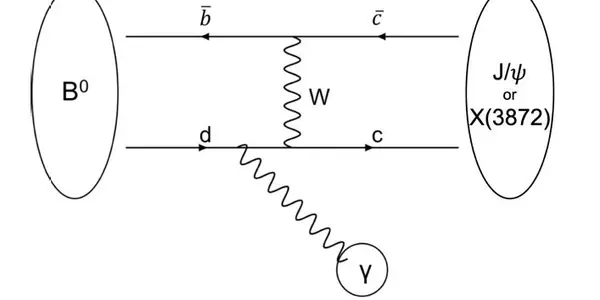
I know, the title of this article will not have you jump on your chair. Most probably, if you are reading these lines you are either terribly bored and in search of anything that can shake you from that state - but let me assure you that will not happen - or you are a freaking enthusiast of heavy flavour physics. In the latter case, you also probably do not need to read further. So why am I writing on anyway? Because I think physics is phun, and rare decays of heavy flavoured hadrons are interesting in their own right.
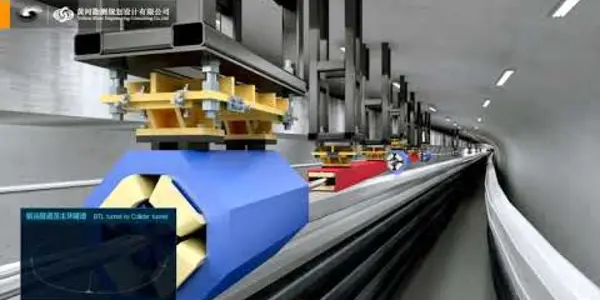
And there it starts. At a very important juncture for fundamental science, physicists are gathering in Granada this week as part of a multi-pronged program that will lead to agreeing on what are the priorities for particle physics in Europe. Given that particle physics is a global, collaborative endeavour nowadays, with experiments typically composed by thousands of physicists from all around the world, we can be sure that what will be agreed is going to shape the future years of this experimental discipline, as not only European projects are discussed, but more in general all projects to which European scientists contribute.
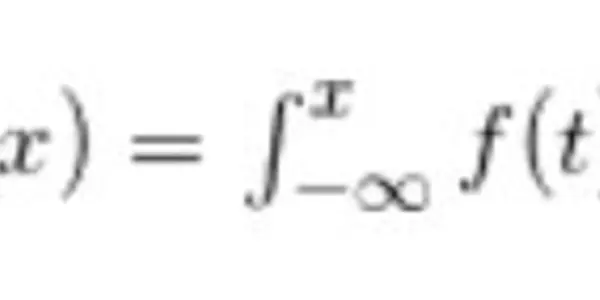
A few weeks ago I posted here an idea of how one could design an algorithm that looks for new physics processes in Large Hadron Collider data, without giving the algorithm any knowledge whatsoever of how those new physics processes should behave.
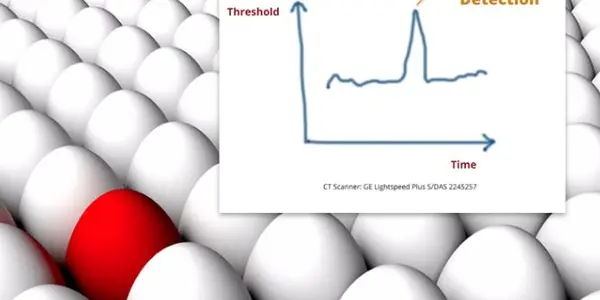
Experimental particle physics, the field of research I have been involved in since my infancy as a scientist, consists of folks like you and me, who are enthusiastic about constructing new experiments and testing our understanding of Nature. Some spend their life materially designing and building the apparata, others are more attracted by torturing the data until they speak. To be precise, data analysts can be divided further into two classes, as I was once taught by my friend Paolo Giromini (a colleague in the late CDF experiment, about whose chase for new physics I have written in my book "Anomaly!"). These are aptly called "gatherers" and "hunters".
The European Commission pays close attention to document the work of the projects that benefited of its funding. With that intent, the AMVA4NewPhysics network has been described, along with its goals, in a 2016 article on the Horizon magazine.
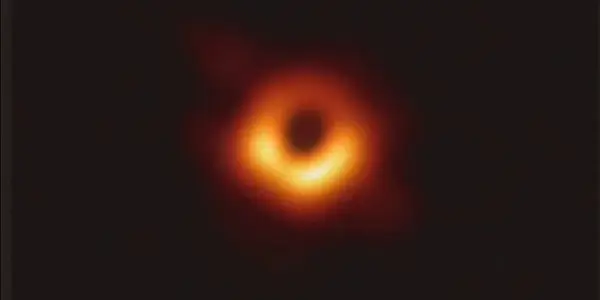
It is a bit embarrassing to post here a graph of boring elementary particle signals, when the rest of the blogosphere is buzzing after the release of the first real black hole image from the Event Horizon collaboration. So okay, before going into pentaquarks, below is the image of the black hole at the center of M87, a big elliptical galaxy 54 million light years away.
Yes, this is supposedly a particle physics blog, not a machine learning one - and yet, I have been finding myself blogging a lot more about machine learning than particle physics as of late. Why is that? Well, of course the topic of algorithms that may dramatically improve our statistical inference from collider data is of course dear to my heart, and has been so since at least two decades (my first invention, the "inverse bagging" algorithm, is dated 1992, when nobody even knew what bagging was). But the more incidental reason is that now _everybody_ is interested in the topic, and that means all of my particle physics and astroparticle physics colleagues.
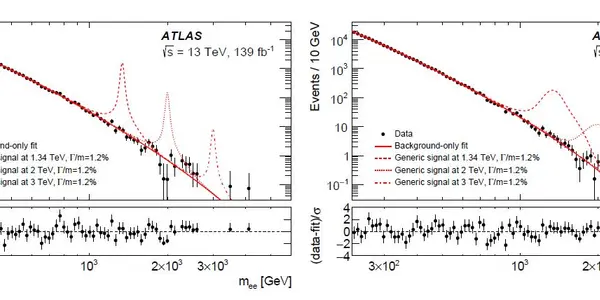
For the tenth anniversary of this blog being hosted by Science 2.0, which is coming in a few days, I decided to reinstall the habit I once had of weekly picking and commenting on a result from high-energy physics research, a series I called "The Plot Of The Week". These days I am busier than I used to be when this blog started being published here, so I am not sure I will be able to keep a weekly pace for this series; on the other hand I want to make an attempt, and the first step in that direction is this article.

Last Monday and Tuesday I gave a few lectures on Machine Learning at a Data Science school (IDPASC) in Braga, Portugal. I think that this topic has received so much attention in the last few years, with heaps of excellent resources now freely available online, that it is very difficult to be original and provide useful information to any student who is proactive enough to google "auto-encoders" by herself.

Update: a reader points out that a similar idea was already proposed and implemented in a commercial program. I'm glad to know this! (I would certainly not try to push my own implementation against a commercial product). I was however disappointed to see that the implementation, while perfectly acceptable from the point of view of quantum mechanics, is lacking in a few important ways from the chess logic point of view (some comments are in the thread below). Anyway, this is an example of a good idea coming too late...