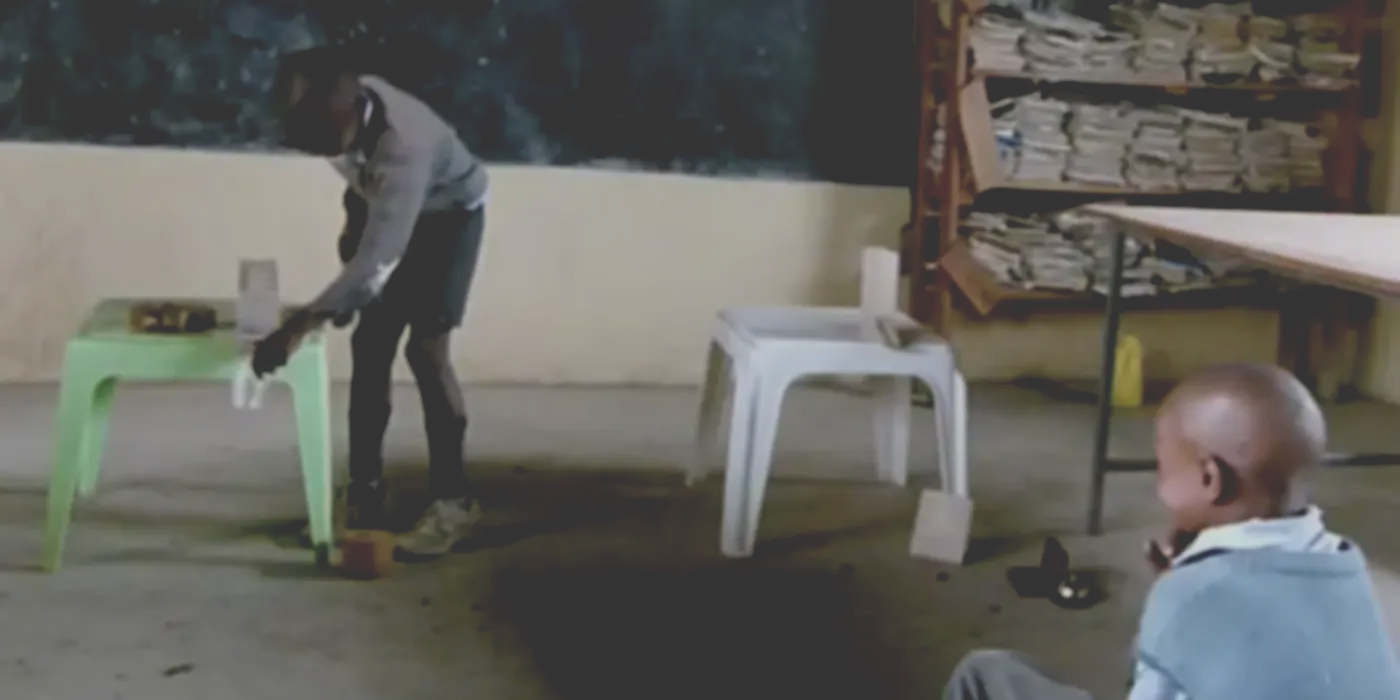
Kids Helping Kids Is Universal - But Cultures Help Differently
A simple game reveals a universal instinct in kids
A simple game reveals a universal instinct in kids


Many factors can push a wild animal population to the brink of collapse and ecologists have long sought ways to measure the risk of such a collapse.
Last year, MIT physicists demonstrated that they could numerically predict a population's risk of collapse by monitoring how fast it recovers from small disturbances, such as a food shortage or overcrowding. However, this strategy would likely require many years of data collection.
The same research team writing in Nature now describes a new way to predict the risk of collapse, based on variations in population density in neighboring regions. Such information is easier to obtain than data on population fluctuations over time, making it potentially more useful, according to the researchers.
Violent crime is undercounted or overcounted, depending on who you ask. Some statistics count gun violence twice, for example, as a criminal getting shot and a police officer doing the shooting.
On the other side, in a paper published in the Canadian Journal of Criminology and Criminal Justice, Wayne State University Ph.D. student Zavin Nazaretian and David M. Merolla, assistant professor of sociology, say that "capping" — which only allows survey respondents to represent a maximum of three incidents per crime type regardless of how many incidents they report — is undercounting violent crime by 87 percent and household crime by 36 percent.

Our sun will one day become a faint white dwarf star - but prior to that, for a few tens of thousands of years as its atmosphere is blown away into space it could be surrounded by spectacular and colorful glowing clouds of ionized gas known as planetary nebulae.
"What are the radiation doses to airplane passengers from the intense bursts of gamma-rays that originate from thunderclouds?" researchers asked at a press conference during the European Geosciences Union in Vienna today.
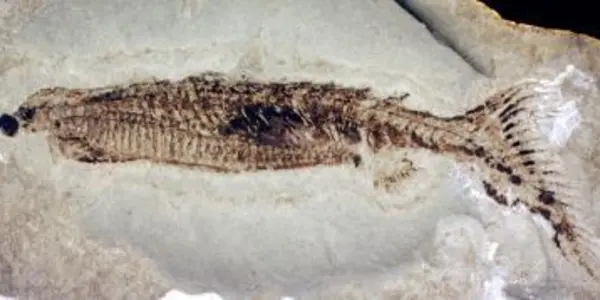
An unusual fossil of Euphanerops, a fossil jawless fish that swam in the seas around 370 million years ago, has fins behind its anus - a pair of them. The find makes the fish one of the first vertebrate to develop paired appendages such as fins, legs or arms.
Long ago, obesity and high blood pressure were signs of being a wealthy elite. But the world has progressed and now even the poorest countries can eat enough to be fat. As recently as 1980 those health risks were more prevalent in countries with a higher income but a new analysis in Circulation shows that the average body mass index of the population is now just as high or higher in middle-income countries. For blood pressure, the situation has reversed among women, with a tendency for blood pressure to be higher in poorer countries.
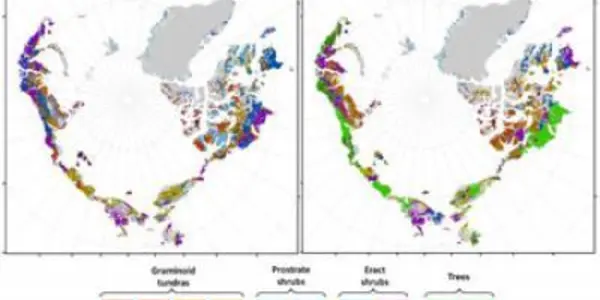
Rising temperatures will lead to a "greening" of the Arctic by mid-century, according to a new numerical model.
The greening not only will have effects on plant life, the researchers noted, but also on the wildlife that depends on vegetation for cover. The greening could also have a multiplier effect on warming, as dark vegetation absorbs more solar radiation than ice, which reflects sunlight.
In the paper, scientists detail their new computer projections stating that wooded areas in the Arctic could increase by as much as 50 percent over the coming decades. The researchers also show that this dramatic greening will accelerate climate warming at a rate greater than previously expected.
Chlorogenic acids, natural substances extracted from unroasted coffee beans, can help control the elevated blood sugar levels and body weight that underpin type 2 diabetes.
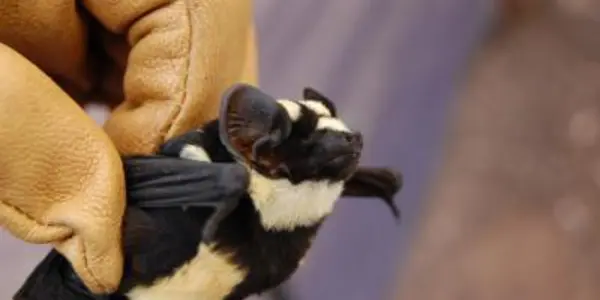
Researchers visiting South Sudan identified a new genus of bat after discovering a rare specimen and determining the bat was the same as one originally captured in nearby Democratic Republic of the Congo in 1939 and named Glauconycteris superba but that it did not fit with other bats in the genus Glauconycteris.
They placed this bat into a new genus - Niumbaha. The word means "rare" or "unusual" in Zande, the language of the Azande people in Western Equatoria State, where the bat was captured. The bat is just the fifth specimen of its kind ever collected, and the first in South Sudan, which declared independence in 2011.
Seemingly benign differences in genetic code can predispose people to chemotherapy-induced peripheral neuropathy, a condition that is hard to predict and often debilitating enough to cause cancer patients to stop their treatment early, a Mayo Clinic study has found.
Chemotherapy-induced peripheral neuropathy affects an estimated 20 to 30 percent of cancer patients treated with chemotherapy agents. The symptoms can be as mild as a light tingling or numbness, but can progress to a loss of feeling in the hands and feet, or to the point where patients can no longer walk normally and are left with a permanent feeling of numbness or pain. Currently, there is no way to predict which patients undergoing chemotherapy will develop this side effect or to what degree.
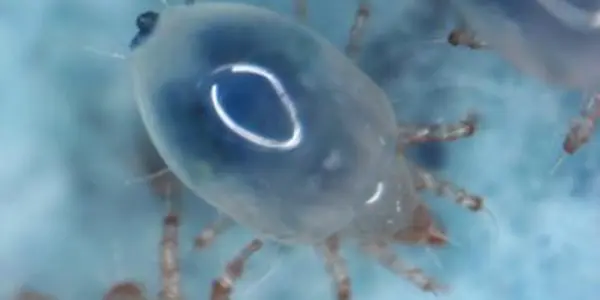
Some assume that evolution only occurs gradually, over hundreds or thousands of years, but scientists have shown otherwise numerous times and now a new paper in Ecology Letters affirms that environmental change can drive hard-wired evolutionary changes in animal species in a matter of generations.
Researchers found significant genetically transmitted changes in laboratory populations of soil mites in just 15 generations leading to a doubling of the age at which the mites reached adulthood and large changes in population size. The results demonstrate that evolution can be a game-changer, even in the short-term.
An analysis of how carbon is trapped and released by iron-rich volcanic magma offers clues about our early atmospheric evolution and also that of other terrestrial bodies.
The composition of a planet's atmosphere starts far beneath the surface. When mantle material melts to form magma, it traps subsurface carbon. As magma moves upward toward the surface and pressure decreases, that carbon is released as a gas. On Earth, carbon is trapped in magma as carbonate and degassed as carbon dioxide, a greenhouse gas that helps Earth's atmosphere trap heat from the sun. But how carbon is transferred from underground to the atmosphere in other planets — and how that might influence greenhouse conditions — wasn't well understood.