Kids Helping Kids Is Universal - But Cultures Help Differently
A simple game reveals a universal instinct in kids
A simple game reveals a universal instinct in kids


With 25,000 journals in existence today, thanks in large part to the open access movement which charges a fee to print a study, keeping up with current scientific literature is a daunting task. Hundreds to thousands of papers are published each day.
Researchers from North Carolina State University have developed a text-mining algorithm to prioritize research papers to read and include in their Comparative Toxicogenomics Database (CTD), a public database that manually curates and codes data from the scientific literature describing how environmental chemicals interact with genes to affect human health.
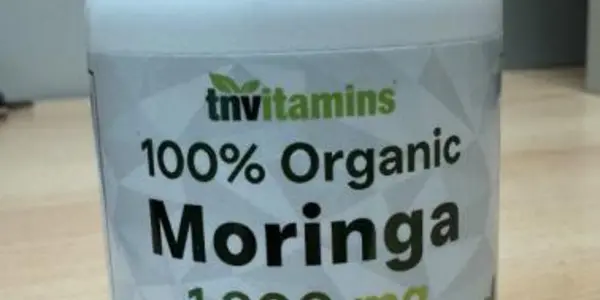
In America, a person who cuts your hair for $8 has to be licensed and obey minimum safety standards, but dietary supplements, which accounted for more than half the Class 1 drugs recalled by the U.S. Food and Drug Administration from 2004-12 (meaning they contained substances that could cause serious health problems or even death) are stuffed full of unapproved medicinal ingredients, including steroids, a new study from St. Michael's Hospital has found.
The majority of those recalled supplements were bodybuilding, weight loss or sexual enhancement products, said the study's lead author, Dr. Ziv Harel, and almost one-quarter of the substances are manufactured outside of the United States, he said in the paper.

Research has established that caffeine interferes with processes in cancer cells that control DNA repair, a finding that has generated interest in using the stimulant as a chemotherapy treatment, but given the toxic nature of caffeine at high doses, researchers from the University of Alberta have instead taken advantage of caffeine's lethal effects on cancer cells identify genes and pathways responsible for DNA repair.
The research team found that fruit flies with a mutant gene called melanoma antigen gene, or MAGE, appeared normal when fed a regular diet but died when fed food supplemented with caffeine. On closer inspection, they found the mutant flies' cells were super-sensitive to caffeine, with the drug triggering "cell suicide" - apoptosis.
Researchers have taken a step forward in efforts to help people with memory loss tied to brain disorders, such as Alzheimer's disease. Using sea snail nerve cells, the scientists reversed memory loss by determining when the cells were primed for learning. The scientists were able to help the cells compensate for memory loss by retraining them through the use of optimized training schedules.
This latest study builds on a 2012 investigation that pioneered this memory enhancement strategy. The 2012 study showed a significant increase in long-term memory in healthy sea snails called Aplysia californica, an animal that has a simple nervous system, but with cells having properties similar to other more advanced species including humans.

X-ray astronomy is only 50 years old but nothing shows the progress of the technology like a new view of a supernova scientists watched over a thousand years ago.

Some people just don't know how to put patterns and colors together. Or anything about style.
Some of that is cultural, of course. No one really wears corsets any more, for example, and good luck finding anyone outside the Mid-East who knows what a caftan is. Some new technology may herald a future for fashion, its creator claims; computerized fabrics that change their color and their shape in response to movement.

The most powerful batteries on earth are only a few millimeters in size but a cellphone version can jump-start a dead car battery and then recharge the phone in the blink of an eye.
Led by Professor William P. King, researchers at the University of Illinois at Urbana-Champaign show that the new microbatteries out-power even the best supercapacitors and could drive new applications in radio communications and compact electronics.
When many of us were kids, water-transfer printing meant a fake tattoo. For our children, it will mean peel-and-stick versions of solar cells that charge cell phones, change the tint on windows, or power their toys.
Peel-and-stick, or water-assisted transfer printing (WTP), technologies were developed by a group at Stanford and have been used before for nanowire based electronics. A new partnership between Stanford University and the U.S. Department of Energy's National Renewable Energy Laboratory (NREL) has conducted the first successful demonstration using actual thin film solar cells, NREL principal scientist Qi Wang said.
The latest national survey of 100% biodiesel (B100) "blend stock" samples by the U.S. Department of Energy's National Renewable Energy Laboratory (NREL) found that 95% of the samples from 2011-12 met ASTM International fuel quality specifications, a big improvement over 2007 when less than half of the samples met quality specifications.
The ASTM standards serve as guidelines for industry and are designed to ensure quality at the pump for consumers, along with reliable operation of the nation's vehicles powered by biodiesel blends.
One group writing in the European Heart Journal found that digoxin increases mortality in patients with atrial fibrillation (AF). Another group just found that it did not and published in the same journal.
They used the same data.

A new type of exceptionally powerful and long-lived cosmic explosion, powerful blasts of high energy gamma-rays, known as gamma-ray bursts, that lasts hours rather than the more common minute, may mean a new hypothesis; that they arise in the violent death throes of a supergiant star.
The first example astronomers found was on December 25th, 2010, but it lacked a measurement of distance and so remained shrouded in mystery, with two competing ideas put forward for its origin. The first model suggested it was down to an asteroid, shredded by the gravity of a dense neutron star in our own galaxy, the second that it was a supernova in a galaxy 3.5 billion light years away, or in the more common language of astronomers at a redshift of 0.33.
Average sea level changes have averaged about 3 millimeters annually in recent years, leading the 2007 Intergovernmental Panel on Climate Change report to estimate that sea levels could rise between 18 and 59 centimeters (7 to 23 inches) this century.
The potential impact of rising oceans on populated areas is one of the most pressing concerns. Many of the world's major cities, such as New York, Miami, Amsterdam, Mumbai and Tokyo, are located in low-lying areas near the water.