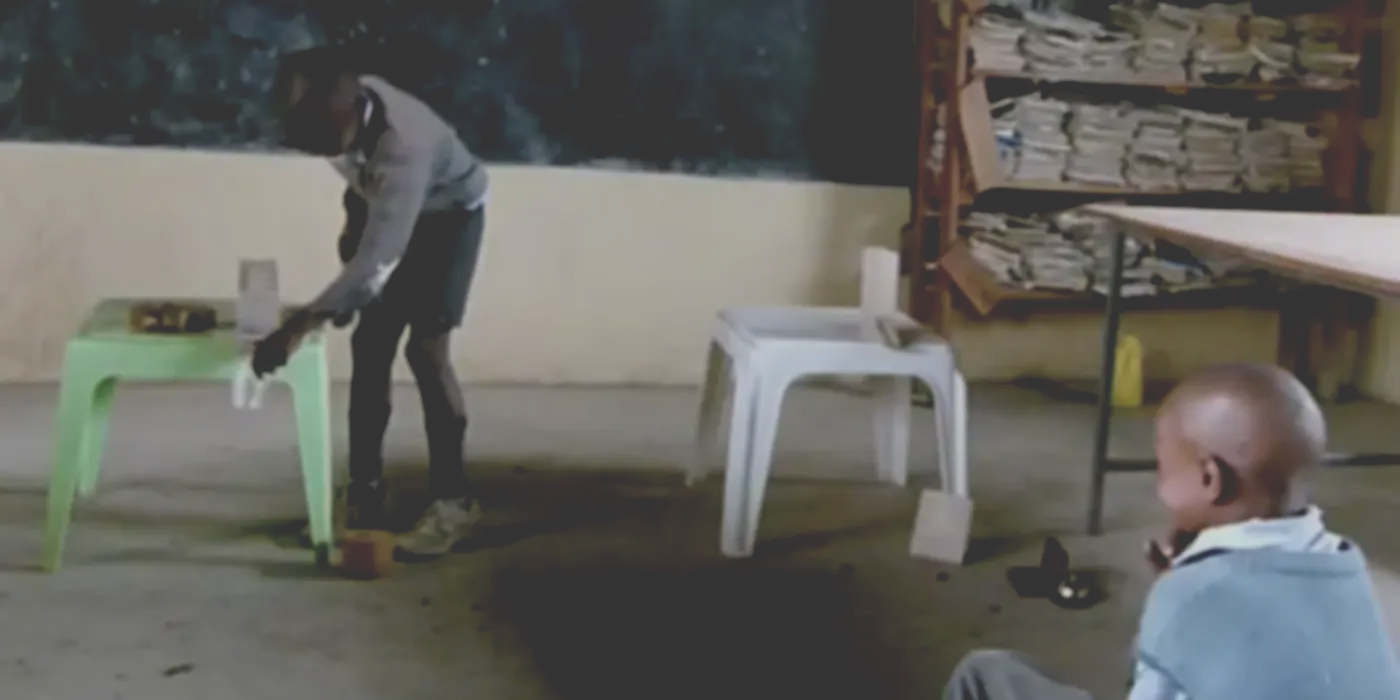
Kids Helping Kids Is Universal - But Cultures Help Differently
A simple game reveals a universal instinct in kids
A simple game reveals a universal instinct in kids


The Sun's eruptive events can change even more radically than the weather in Kentucky. Some eruptive events come just with a solar flare, while some provide additional ejection of solar material, a coronal mass ejection (CME). Some even involve complex moving structures in association with changes in magnetic field lines that loop up into the sun's atmosphere, the corona.
On July 19th, 2012, an eruption occurred on the sun that produced all three. A moderately powerful solar flare exploded on the sun's lower right limb, sending out light and radiation. Next came a CME, which shot off to the right out into space. And then, the sun treated viewers to one of its dazzling magnetic displays – a phenomenon known as coronal rain.

Sunspots on the surface of the Sun happen when magnetic fields rearrange and realign, forming dark spots Over the course of the last 48 hours, scientists watched a giant sunspot form - it has grown to over six Earth diameters across but its full extent is hard to judge since the spot lies on a sphere, not a flat disk.
The spot quickly evolved into what's called a delta region, in which the lighter areas around the sunspot, the penumbra, exhibit magnetic fields that point in the opposite direction of those fields in the center, dark area. This is a fairly unstable configuration that scientists know can lead to eruptions of radiation on the sun called solar flares.

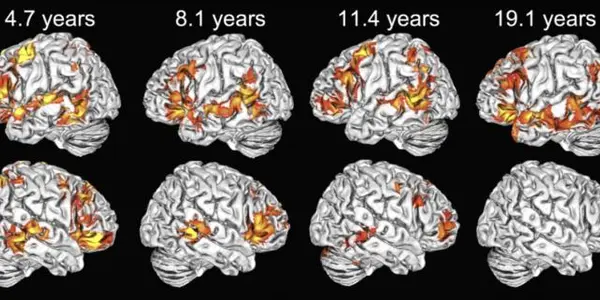
By recording the automatic brain wave responses of 100 school-aged children to speech sounds, researchers found that the very best readers encoded the sound most consistently while the poorest readers encoded it with the greatest inconsistency.
Decades of research from laboratories worldwide have shown that reading ability is associated with auditory skills, including auditory memory and attention, the ability to rhyme sounds and the ability to categorize rapidly occurring sounds.

Understanding how and why diversification occurs is important for understanding why there are so many species on Earth. A new study found that similar, or even identical, mutations can occur during diversification in completely separate populations of E. coli evolving over more than 1,000 generations.
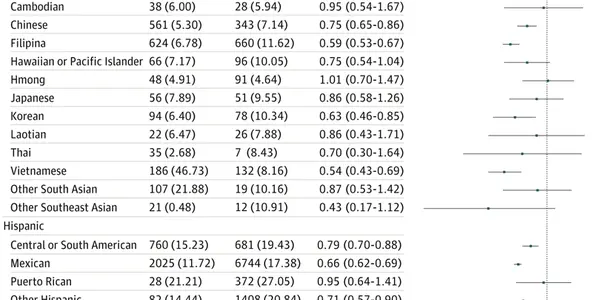
A biological marker in the immune system predicts our ability to fight off the common cold, starting at about age 22, according to a recent paper in JAMA.

Can you read minds?
No, you cannot, but with some fluorescent protein and a tiny microscope implanted in a rodent's head, Stanford scientists have come close.
Their technique can observe hundreds of neurons firing in the brain of a live mouse, in real time, and they have linked that activity to long-term information storage. The researchers first used a gene therapy approach to cause the mouse's neurons to express a green fluorescent protein that was engineered to be sensitive to the presence of calcium ions. When a neuron fires, the cell naturally floods with calcium ions. Calcium stimulates the protein, causing the entire cell to fluoresce bright green.

Species facing widespread and rapid environmental changes can sometimes evolve quickly enough to dodge the extinction bullet.
Studies have shown that the more gradual the change, the better the chances for 'evolutionary rescue', that process of mutations occurring fast enough to allow a population to avoid extinction in changing environments. One obvious reason is that more individuals remain alive when change is gradual or moderate, meaning there are more opportunities for a winning mutation to emerge.
Liposomes are small fat capsules, often added to beauty products, because of the claim that liposomes are capable of transporting active ingredients deep into the skin - when the active ingredients are released, it is said, they can alter the skin's structure by rejuvenating and smoothing the skin.
Research from University of Southern Denmark now shows that liposomes are not capable of transporting themselves deep into the skin, and thus they are not capable of transporting active ingredients deep into the skin, and thus they are pointless.
The researchers used the technique RICS (Raster Imaging Correlation Spectroscopy) to investigate how liposomes labeled with two fluorescent colors move once they are applied to the skin.
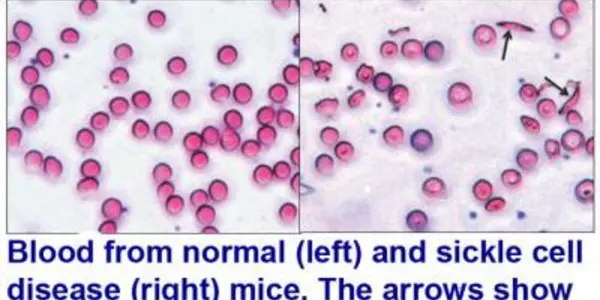
Tranylcypromine, TCP, is an antidepressant drug used since the 1960s but may also hold promise for treating sickle cell disease, according to a new finding in mice and human red blood cells.
They found that TCP can essentially reverse the effects of sickle cell disease.
Scientists at the Commonwealth Scientific and Industrial Research Organisation (CSIRO) have created a 'solar sponge' which captures and then releases carbon dioxide using the power of sunlight. The 'sponge' which is made from a new smart material called a MOF - metal organic framework - that adsorbs carbon dioxide, but when exposed to sunlight, instantaneously releases it.
This capture-and-release method known as dynamic photo-switching is extremely energy efficient and only requires UV light to trigger the release of CO2 after it has been captured from the mixture of exhaust gases.
Males and females differ in a lot of traits (besides the obvious ones) and some evolutionary psychologists have proposed hypotheses to explain some baffling ones. As an example, the slight, but significant, superiority in spatial navigation among males of many species is probably 'adaptive', they believe - meaning that over the course of evolutionary history that trait gave males an advantage that led them to have more offspring than their peers.
Surveys show that the most frequent turning point in father-daughter relationships is shared activities — especially sports. Participating with daughters in sports is even ahead of such pivotal events as when a daughter marries or leaves home, according to a Baylor University scholars.