Enzyme USP15 Limits Ovarian Cancer Cells And Boosts Chemotherapy
Ovarian cancer is devastating, five-year survival rate under 30%, when detected after it has spread. New basic research may improve that.
Ovarian cancer is devastating, five-year survival rate under 30%, when detected after it has spread. New basic research may improve that.


Runners clutching bottles of energy drink are a common sight, and it has long been known that sugary drinks and sweets can significantly improve athletes' performance in endurance events. The question is how? Clearly, 'sports' drinks and tablets contain calories. But this alone is not enough to explain the boost, and the benefits are felt even if the drink is spat out rather than swallowed. Nor does the sugary taste solve the riddle, as artificial sweeteners do not boost performance even when they are indistinguishable from real sugars.

The threat of global warming can still be greatly diminished if nations cut emissions of heat-trapping greenhouse gases by 70 percent this century, according to a new analysis. While global temperatures would rise, the most dangerous potential aspects of climate change, including massive losses of Arctic sea ice and permafrost and significant sea-level rise, could be partially avoided."This important study, when taken with similar efforts, will help define a major challenge for society," says Cliff Jacobs of NSF's Atmospheric Sciences Division.
The benefits of physical activity and a balanced diet are well documented and form the basis of many public health recommendations; this is because each of these factors can independently influence risks for many chronic diseases such as obesity, type 2 diabetes, and some forms of cancer.Some research also suggests that exercise and diet interact to influence health. For instance, exercising after short-term fasting (such as before breakfast) may increase the amount of fat burned. Similarly, consumption of a meal eliciting a low blood glucose response prior to exercise may also boost the use of body fat (instead of glucose).

Researchers say they have uncovered new evidence suggesting factors other than genes could cause obesity, finding that genetically identical cells store widely differing amounts of fat depending on subtle variations in how cells process insulin. Findings indicate that the faster a cell processes insulin, the more fat it stores.Learning the precise mechanism responsible for fat storage in cells could lead to methods for controlling obesity.
Is Facebook that addictive or is a new pilot study correlating Facebook use to lower grades simple picking on the big gorilla of social media? 75 Percent of Facebook users claimed that their use of the social networking site didn't interfere with their studies but college students who use Facebook have lower grade point averages than students who have not signed up.
Don't get too alarmed. This was a small, exploratory study but it did find that Facebook users in the study had GPAs between 3.0 and 3.5, while non-users had GPAs between 3.5 and 4.0. And that will get some attention. In addition, users said they averaged one to five hours a week studying, while non-users studied 11 to 15 hours per week.
After about seven months growing in the womb, a human fetus spends most of its time asleep. Its brain cycles back and forth between the frenzied activity of rapid eye movement (REM) sleep and the quiet resting state of non-REM sleep. But whether the brains of younger, immature fetuses cycle with sleep or are simply inactive has remained a mystery - until now.

Yuan et al. have identified another anti-cancer effect of the "longevity" protein SIRT1. By speeding the destruction of the tumor promoter c-Myc, SIRT1 curbs cell division. The study will be published in the Journal of Cell Biology.

Applied scientists at the Harvard School of Engineering and Applied Sciences (SEAS) in collaboration with researchers from Hamamatsu Photonics in Hamamatsu City, Japan, have demonstrated, for the first time, lasers in which the direction of oscillation of the emitted radiation, known as polarization, can be designed and controlled at will. The innovation opens the door to a wide range of applications in photonics and communications. Harvard University has filed a broad patent on the invention.
Our modern age has become accustomed to regular improvements in information technology, says Slava Rotkin, but these advances do not come without a cost. Take the laptop, for example. Its components, especially its billions of semiconductor electronic circuits, are growing ever tinier while the instrument's power and capacity increase. But heat generated by electric current can cause the circuits to melt and the laptop hardware to fail.
Indeed, says Rotkin, an assistant professor of physics, a laptop in use can generate heat faster than an everyday hotplate and almost as fast as a small nuclear reactor.
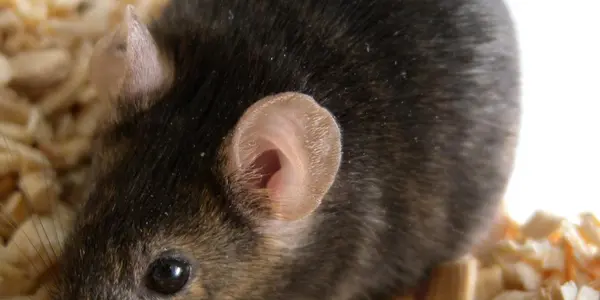
A team of UCSF researchers has used microRNAs to help turn adult mouse cells back to their embryonic state. These reprogrammed cells are pluripotent, meaning that, like embryonic stem cells, they have the capacity to become any cell type in the body.
A drop of blood or a chunk of tissue smaller than the period at the end of this sentence may one day be all that is necessary to diagnose cancers and assess their response to treatment, say researchers at the Stanford University School of Medicine.
In a Nature Medicine study, the scientists used a specialized machine capable of analyzing whether individual cancer-associated proteins were present in the tiny samples and even whether modifications of the proteins varied in response to cancer treatments. Although the study focuses on blood cancers, the hope is that the technique might also provide a faster, less invasive way to track solid tumors.
In parallel human and mouse studies, two groups of researchers have come to the same conclusion: that a new kind of gene is associated with progressive hearing loss. The new gene, a microRNA, is a tiny fragment of RNA that affects the production of hundreds of other molecules within sensory hair cells of the inner ear. The research provides important new genetic understanding of a condition that is common in humans but remains poorly understood.