Kids Helping Kids Is Universal - But Cultures Help Differently
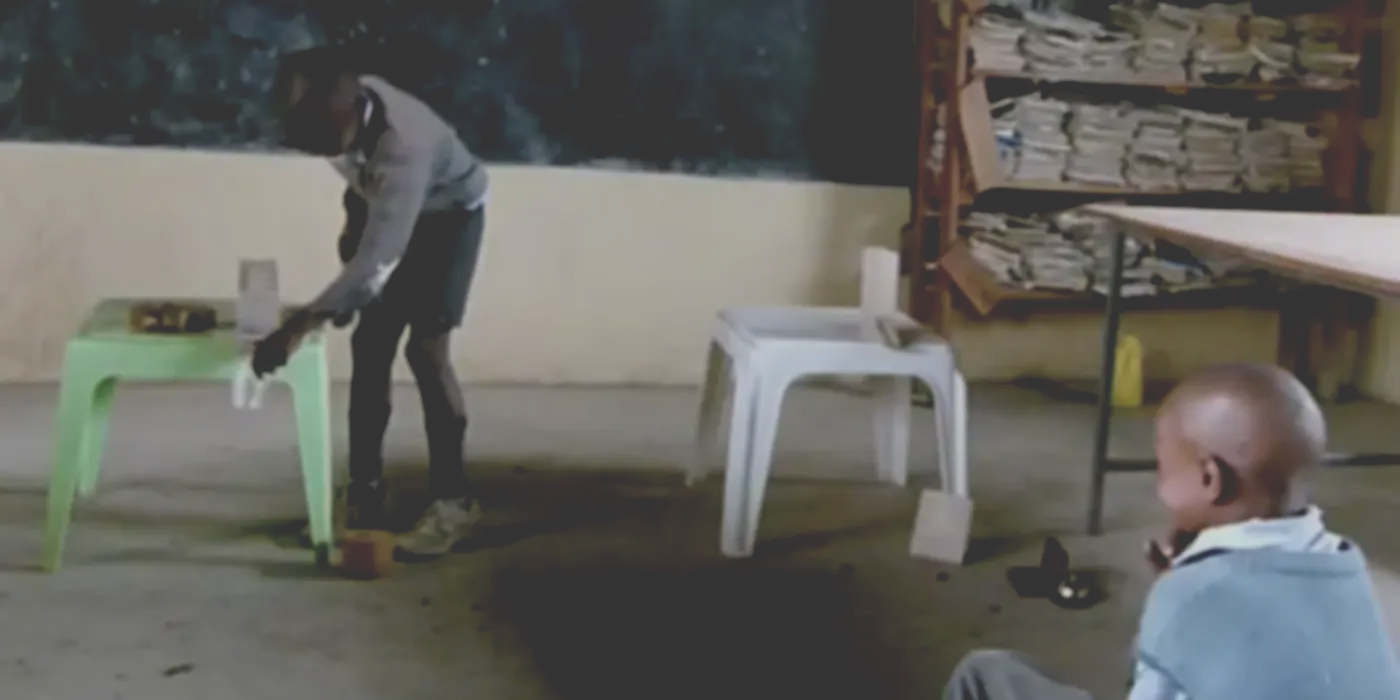
A simple game reveals a universal instinct in kids
A simple game reveals a universal instinct in kids

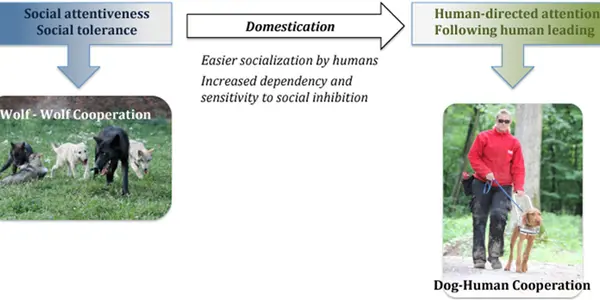
Most dogs and most humans get along well now and anthropological explanations are that selective selection is the reason; wolves that were not a threat were not killed and over time the agreeable ones got shelter and food. That cooperation has led to thousands of years of being man's best friend.Friederike Range and Zsófia Virányi from the Unit of Comparative Cognition at the Messerli Research Institute at University of Veterinary Medicine, Vienna have an alternate idea, the "Canine Cooperation Hypothesis". They believe that since wolves already are tolerant, attentive and cooperative, the relationship of wolves to their pack mates could have provided the basis for today's human-dog relationship.

Some cultural pundits contend that income inequality is linked to parenting inequality but new findings dispute that. You don't have to be wealthy to be involved in your child's life, despite modern thinking, according to a new paper which finds that poorer parents are just as involved in education, leisure and sports activities with their children as wealthier ones.The researchers used the Poverty and Social Exclusion in the UK survey, carried out between March and December 2012. Among the questions it asked were:
How many days in the past seven days have you, or your partner read stories with your child/children or talked with them about what they are reading?
Scientists have analyzed extraterrestrial dust hat has settled on ocean floors to determine the amount of heavy elements created by the massive explosions. The dust is thought to be from supernovae, exploding stars way beyond our solar system, and their conclusions are at odds with current theories of supernovae, in which some of the materials essential for human life, such as iron, potassium and iodine are created and distributed throughout space.
A new study finds that vitamin D can protect some people with colorectal cancer by boosting the immune system's vigilance against tumor cells.
The research in Gut represents the first time that a link between vitamin D and the immune response to cancer has been shown in a large human population. The authors believe their work advances the idea that vitamin D, known as the "sunshine vitamin" because it is produced by the body in response to sunlight exposure, plays a role in cancer prevention.

As the Earth warms and glaciers all over the world begin to melt, the natural concern has been how all of that extra water will contribute to sea level rise. Less considered is what happens to all of the organic carbon found in those glaciers when they melt. A new paper estimates what could happen if major ice sheets break down.Glaciers and ice sheets contain about 70 percent of the Earth's freshwater and ongoing melting is a major contributor to sea level rise. But, glaciers also store organic carbon derived from both primary production on the glaciers and deposition of materials such as soot or other fossil fuel combustion byproducts.
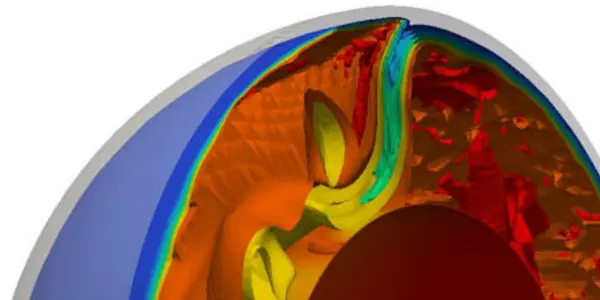
From the beginning of time, uranium has been part of the Earth and, thanks to its long-lived radioactivity, it has proven ideal to date geological processes and figuring out Earth’s evolution. Natural uranium consists of two long-lived isotopes uranium-238 and the lighter uranium-235 and uranium isotopes leave a distinct ‘fingerprint’ in the sources of volcanic rocks, making it possible to gauge their age and origin.
Researchers have identified hyaluronon (HA) as a critical substance made by the body that protects against premature births caused by infection. Pre-term birth from infection is the leading cause of infant mortality in many countries according to the World Health Organization.
The findings of the study, recently published in the Journal of Clinical Investigation, are the first to identify the specific role that HA plays in the reproductive tract.

Wine, medicine and movies are two great examples of how the naturalistic fallacy - the old ways are better - retain a vice-like grip on aspects of culture. The naturalistic fallacy issues of wine tasting and medicine have been well-documented on Science 2.0 and, as anyone who got stuck watching "Crash" or "American Beauty" can tell you, awards and and critical acclaim in films also needs to be replaced with 21st century technology.
Beet juice is a fad in sports optimization because it is
rich in nitrates, but does it work?
It has some value, though it does not enhance muscle blood flow or vascular dilation during exercise, as commonly claimed. It does "de-stiffen" blood vessels under resting conditions, potentially easing the workload of the heart.
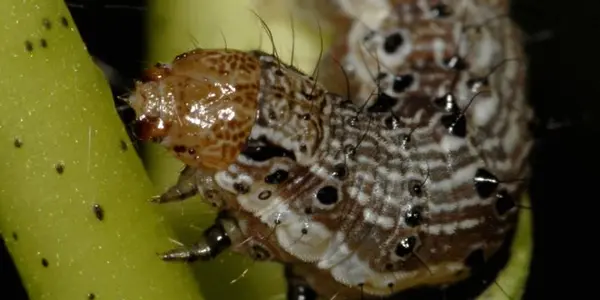
Crops genetically engineered to produce proteins from the bacterium Bacillus thuringiensis (Bt) to control insect pests have been planted on a cumulative total of more than a billion acres worldwide since 1996 and they have been very successful.
But pests evolve just like everything else and to avoid that, companies recommend a variety of strategies to avoid 'herd immunity'. Biotech companies have also introduced Bt crops called "pyramids" that produce two or more Bt toxins active against the same pest. They have been adopted in many countries since 2003, including the United States, India and Australia.
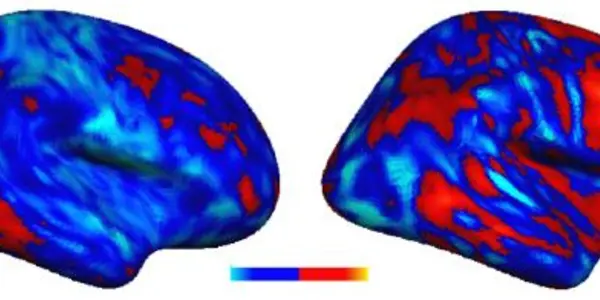
Autism Spectrum Disorder, a broad range of behavioral and cognitive issues that usually impair learning ability, has been studied for many years but there remain far more questions than answers. Some research into the brain functions of individuals with autism spectrum have found a lack of synchronization ('connectivity') between different parts of the brain that normally work in tandem, while other studies have found the opposite: over-synchronization.
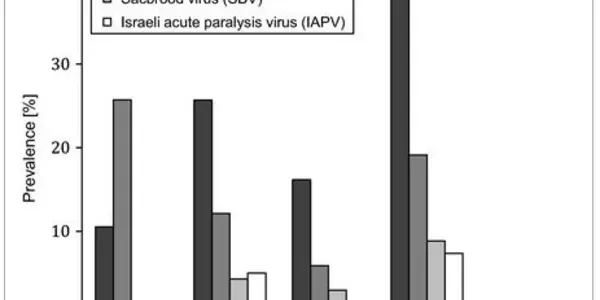
A new review of other studies concludes that viruses carried by commercial bees can jump to wild pollinator populations with potentially devastating effects. Pollinators in some regions have suffered declines and various hypotheses have been offered as to why.