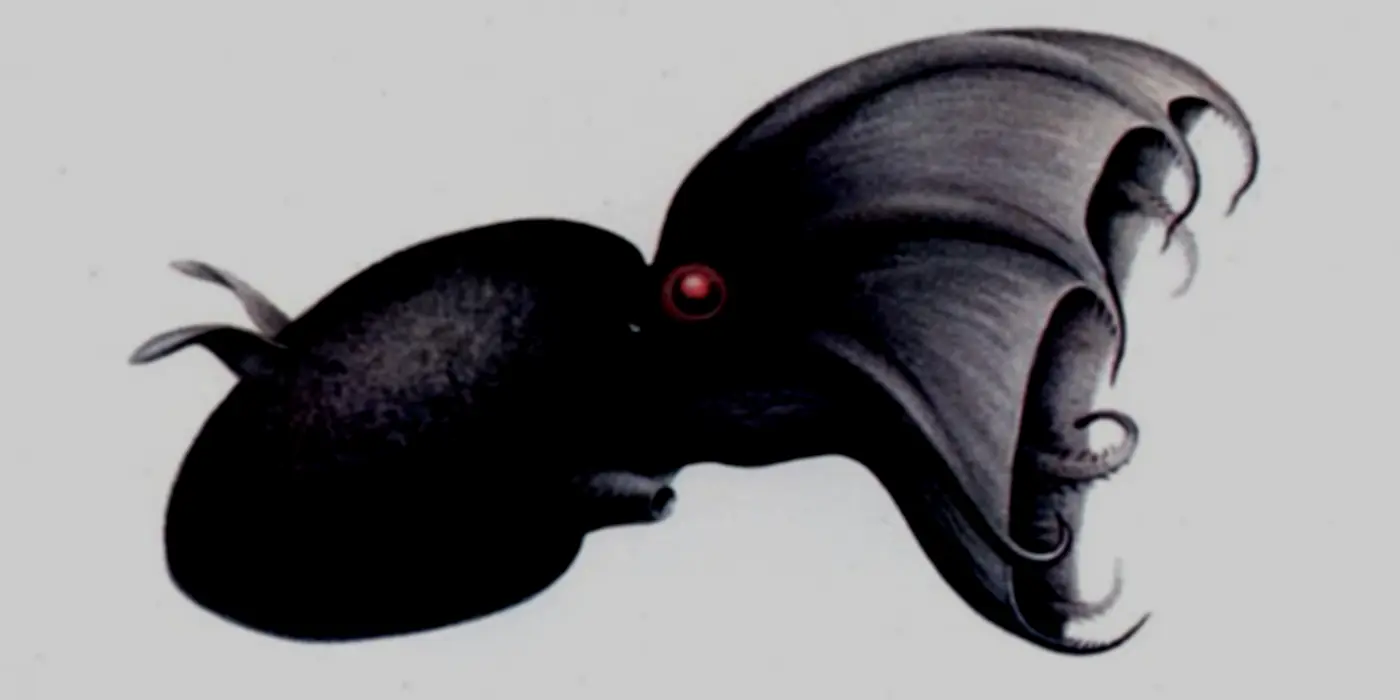
Vampire Squid And The Evolution Of Cephalopod Sex
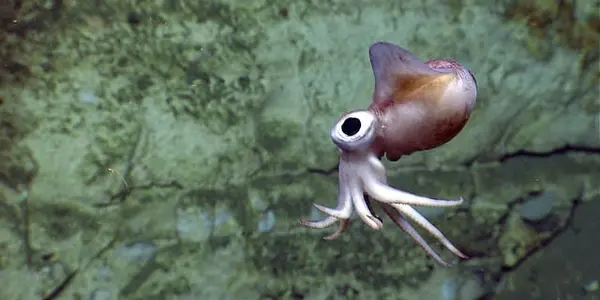
Everyone loves vampire squid, right? Their monstrous name belies their gentle nature as graceful underwater flyers who eat poop.
Everyone loves vampire squid, right? Their monstrous name belies their gentle nature as graceful underwater flyers who eat poop.

Do sperm whales use sonar to stun giant squid? In a word: maybe. I delved quite enthusiastically into the topic last year, and came out tantalized and frustrated by limited evidence.So I was very excited to see an article in the Smithsonian called The Sperm Whale's Deadly Call. Is this new research, finally showing once and for all that sperm whales knock out their prey by very loud shouting?
To recap: in 2011, the California market squid fishery caught tons of squid (118,000 tonnes to be exact) and was all set to close. However, some fishers noted the continued abundance of squid in the ocean and petitioned to keep catching.Then Oceana spoke up on behalf of the squid, with an argument neatly summarized by Geoff Shester, Oceana's California program director, as Protect Calamari, Save the Whales:
Slow Food's Michele Rumiz has posted a ruminative piece about squid fishing on Unije, a Croatian island in the Adriatic Sea:Every November, the island calls its aficionados to fish squid (called lignjada in Croatian). . . . No sounding leads, nets or electronic devices: they fish using togna - line, and totanara as bait. This is why the more than 20 fishermen involved could manage to fish only a little more than 50 kg of squid in 4 hours. It might seem like a lot, but it's nothing compared to an industrial fishery, which would get the same result in a few minutes with a much smaller crew.
Slow Food's Michele Rumiz has posted a ruminative piece about squid fishing on Unije, a Croatian island in the Adriatic Sea:Every November, the island calls its aficionados to fish squid (called lignjada in Croatian). . . . No sounding leads, nets or electronic devices: they fish using togna - line, and totanara as bait. This is why the more than 20 fishermen involved could manage to fish only a little more than 50 kg of squid in 4 hours. It might seem like a lot, but it's nothing compared to an industrial fishery, which would get the same result in a few minutes with a much smaller crew.
Squids are mercurial, unpredictable creatures of extremes.Call them abundant, call them quite rareIt depends on the climate--the sea and the airOne species expands, another contractsThese are the data, these are the factsSometimes it feels like they're growing too fastBut it helps them respond and it's why they can lastThrough environmental change . . .
Yesterday I complained that none of the articles about the New Zealand squid fishery had any quotes from fishing reps. I had only to wait 24 hours for my complaint to be answered!
Today's squid news comprises four journalistic angles on the same story. See if you can figure out what it is:
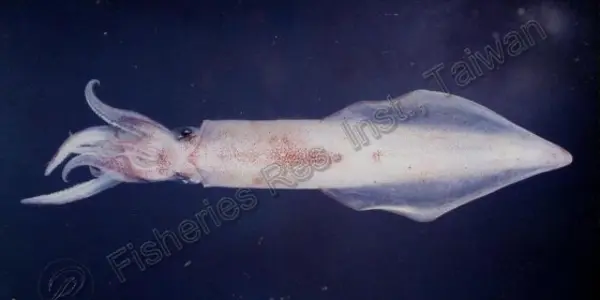
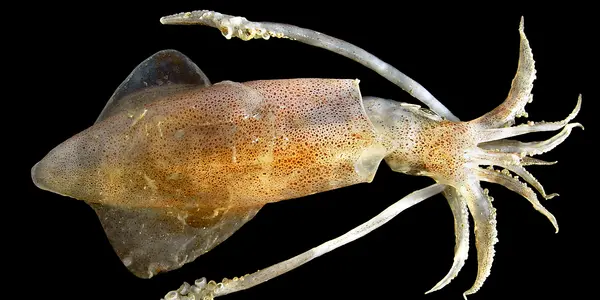
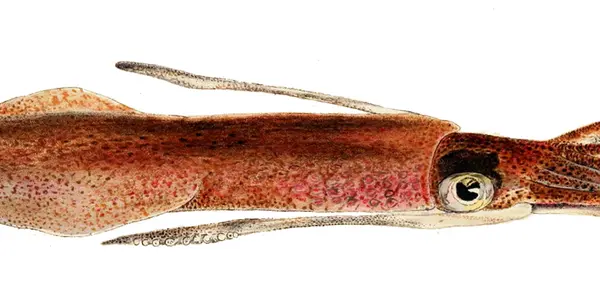
Alternative alliterative title: Long-tailed Light-up Loliginids!I've mentioned the two flavors of squid before: the open-ocean oegopsids and the nearshore myopsids. Most myopsids are in the family Loliginidae, which contains all your familiar calamari squid, market squid, and so on. Loliginids are traditional, uncomplicated, straightforward squid. They always look like squid--unlike oegopsids, which sometimes look like jellyfish or manta rays or piglets.

Extra-glowy squid lures are the new hotness, according to the UK's Western Morning News:Virtually all squid jigs [fishing lures] have luminescent sections, but now available in the South West are jigs made by Japanese companies like Yo-Zuri, where intense luminescence covers the entire upper half of the jig. It may be bad news for squid . . .Why exactly would it be bad news for the squid? Well, lights are used around the world to summon squid to their death, from glow-in-the-dark jigs to high-wattage surface lights.
New robot alert! New robot alert! It's an adorable cross between Gumby and a starfish. Go watch the video right now.Now, none of the authors of the paper are marine biologists, so I can't expect them to know that this description:
Amir K. just wants to be prepared:Assuming this is a 6 foot 100 lbs humboldt squid, it goes red, all of its arms point together and it's about to shoot straight at you with it's 2 long feeding arms. What do you do if you are in the water? What is the best way of repelling an attack or destroying it? What are it's weaknesses?Oh Amir! The first two "its" were perfect. Why'd you have to go and ruin my good opinion of your grammar by adding apostrophes to your second two "its"? But you know what--I'll answer the question anyway.
"How big is the squid?" the fifth-graders demanded when I showed up in their classroom with a cooler on Monday."Humboldt squid can get up to five feet long--about as big as me," I told them. "But this one is small. It's only a couple of feet."Fortunately, they weren't disappointed. A two-foot squid was quite exciting enough to keep the class going for two hours, pummeling me with questions as we carefully observed the outside and then the inside of the squid. The visit was part of the outreach program Squids4Kids, and the squid had been donated by sport fishermen just couple of months ago.