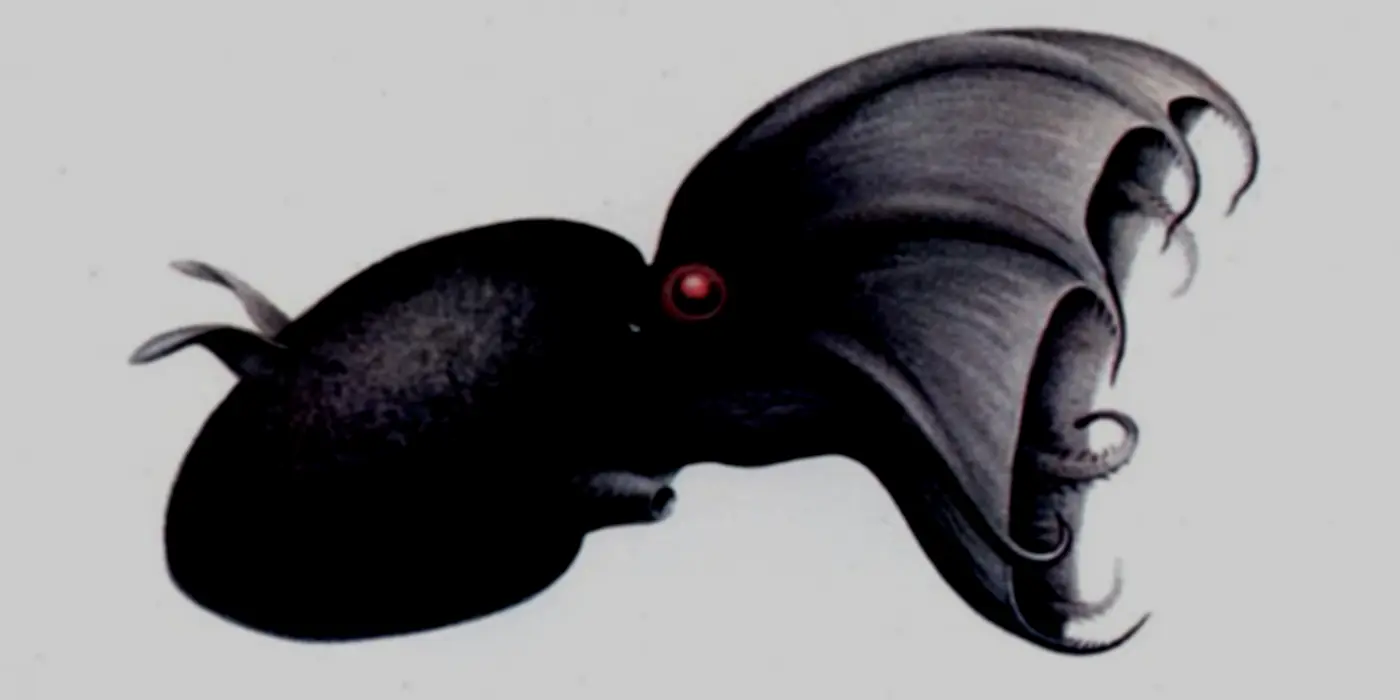
Vampire Squid And The Evolution Of Cephalopod Sex
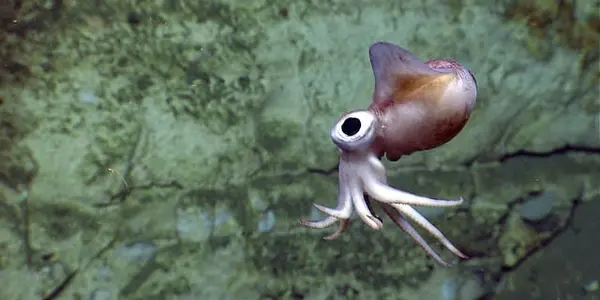
Everyone loves vampire squid, right? Their monstrous name belies their gentle nature as graceful underwater flyers who eat poop.
Everyone loves vampire squid, right? Their monstrous name belies their gentle nature as graceful underwater flyers who eat poop.
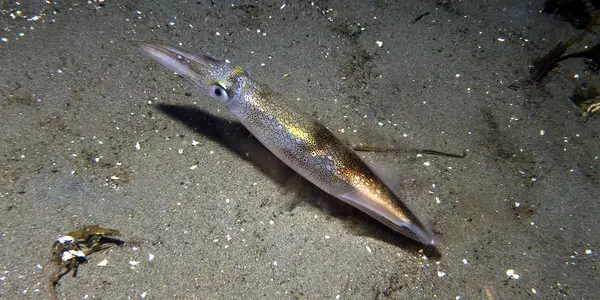
Guess who’s not being displayed in the Monterey Bay Aquarium's new "Tentacles" exhibit, opening April 12? Who is just too difficult for this award-winning institution to handle?

When we want to blow our minds with the sheer vastness of nature, we often turn to astronomy. In fact, we use the word astronomical to mean really a whole lot. But today, I'd like to make a case for biology.

Dear Squid of the World,Excuse me. What is this? I have been your friend and advocate for years. No, DECADES. (Two, to be specific.) I have championed your cause to family and friends, students and total strangers. I wore the shirts. I read the books. I even got a PEE AITCH DEE in the science of baby squid. I think I've earned a modicum of consideration. A smidgeon of thoughtfulness.But no. I go on maternity leave to care for my firstborn and what do you do? Everything.
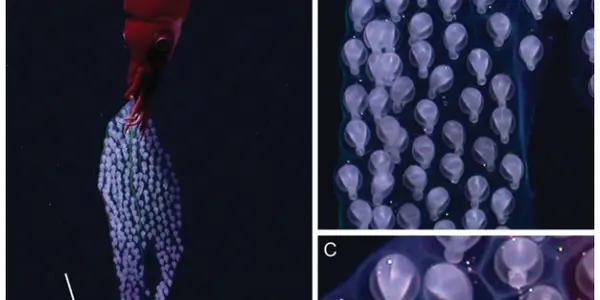
Squid typically die after spawning. Their orphaned eggs are left alone in the cold brine to develop and hatch, never knowing a mother's tender caress. But as in all of biology, there are exceptions.It's strangely appropriate that the second of these exceptions has entered, stage left, just as I am preparing to exit, stage right, in order to engage in the intensive parental care typical of humans. I'll be spawning within the next few weeks, and taking a hiatus from the blogosphere to focus on my in-home developmental biology experiment.
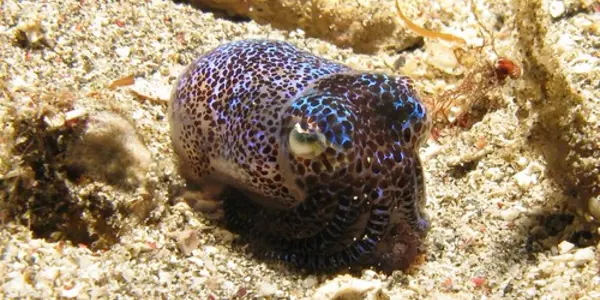
To celebrate International Cephalopod Awareness Days, I decided to comb through all the cephalopod news since last October (and there's been quite a bit of it) to bring you the top ten essential, not-to-be missed stories of cephalopod science and culture. The theme of 2012 seems to have been the discovery of unexpected and slightly embarrassing habits . . .
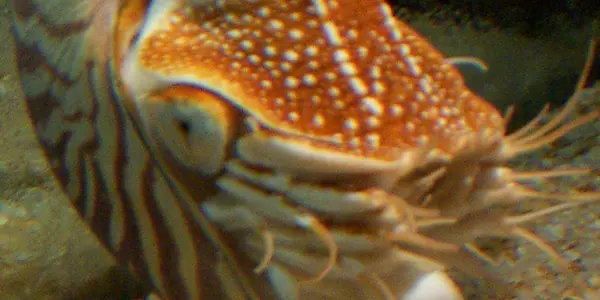
A couple of weeks ago ago, a debate about the existence of scavenging cephalopods broke out on the cephalopod mailing list. A few days later, such a creature appeared in the news as if conjured!A grad student had e-mailed the ceph-list because he’d found a website that claimed “most cephalopods are active hunters while some are scavengers.” He couldn’t think of any scavenging cephalopods, and wanted to know if anyone else could.
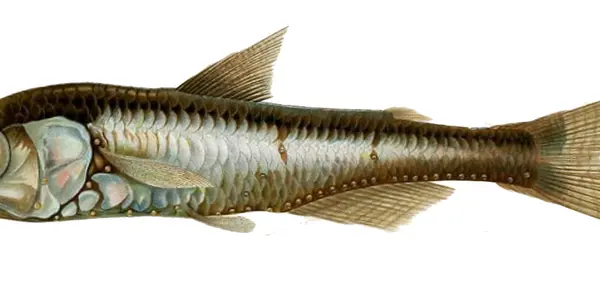
Little glowing fish called lanternfish and the similarly sized, shrimplike krill are creatures worthy of pity. They're on the menu of almost every large marine animal you can name: from tuna to penguins to whales, and, of course, squid. Most notably Humboldt squid, who stuff their beaks with truly epic quantities of these small fry.
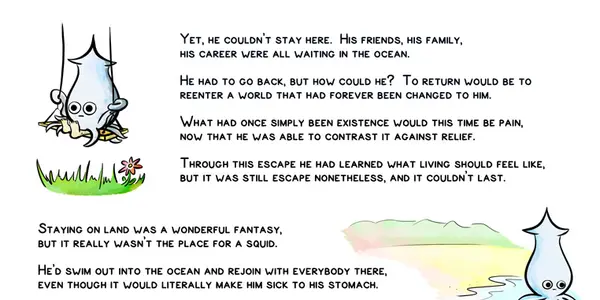
Here is the bleak story of a seasick squid, a granted wish, and a horrible way to live life:by Alex Culang and Raynato Castro at Buttersafe, h/t to Squid.us

Last night I had a sappy mama dream about holding and nursing my baby. Half-waking from it, I found myself wondering if the baby--scheduled to remain comfortably ensconced in my womb for another four months--might have had the same dream.
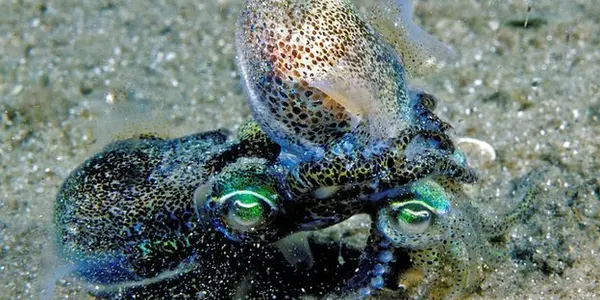
Southern dumpling squid are tuckered out by sex. So say Australian researchers Franklin et al. in the journal Biology Letters. Sure, it's salacious science, but so what?Dumpling squid: they are frisky. Photo by Mark Norman, published in Biology Letters.
Honestly, media. *polishes obnoxious academic spectacles* Is it really that difficult to comprehend the difference between "inseminate" and "impregnate"?On Thursday I reported that a woman's mouth had been inseminated by a squid she was eating. To be specific, squid spermatophores (packages of sperm) implanted themselves into her mucus membranes, and had to be removed by a doctor.

I'm here today to talk about a very strange paper: Penetration of the oral mucosa by parasite-like sperm bags of squid: a case report in a Korean woman.This study, published in February in the Journal of Parasitology (?!), presents the tale of a woman eating squid who experienced "severe pain" and a "pricking, foreign-body sensation" in her mouth. A doctor found and removed "twelve small, white spindle-shaped, bug-like organisms" from her tongue, cheek, and gums.