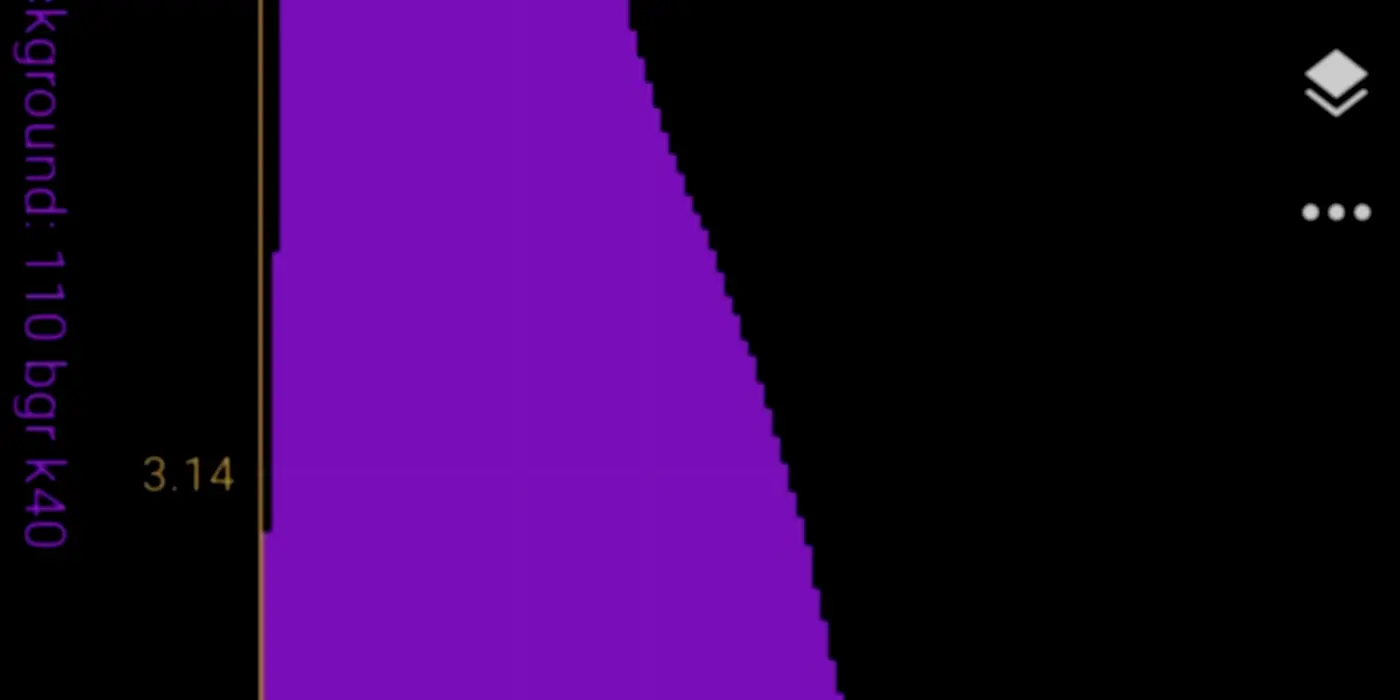
More on Radiacode 110
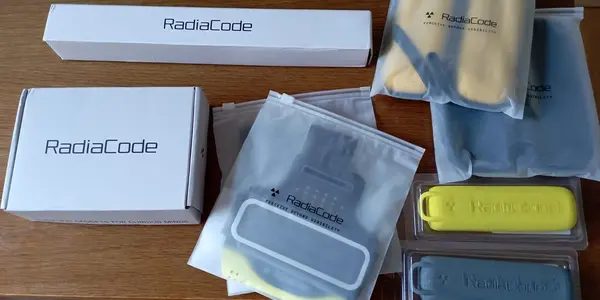
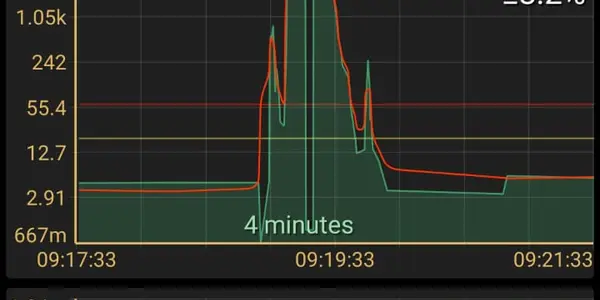
This is the second post reporting a few tests of the Radiacode 110 spectrometer, an extra-cool pocket dosimeter/radiation counter/spectrograph sold by RadiaCode.
This is the second post reporting a few tests of the Radiacode 110 spectrometer, an extra-cool pocket dosimeter/radiation counter/spectrograph sold by RadiaCode.

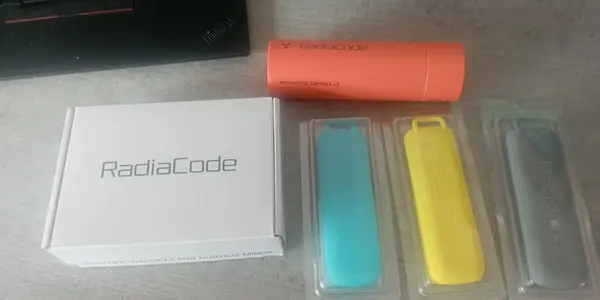
As I explained previously, these days I am testing a new radiation detector from the Radiacode family: Radiacode Zero.
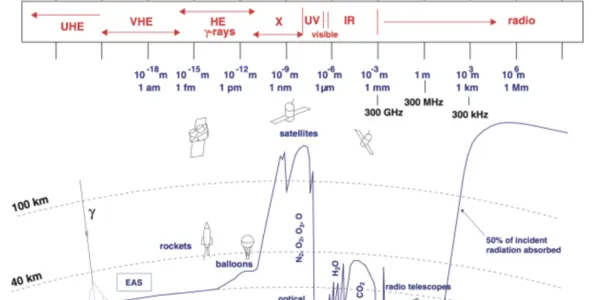
Ionizing radiation is all around us. We do not notice it: we have not developed any sense to detect it. Yet it may affect us in very serious ways, particularly because its effect on living cells and organisms is cumulative: a progressive degradation.
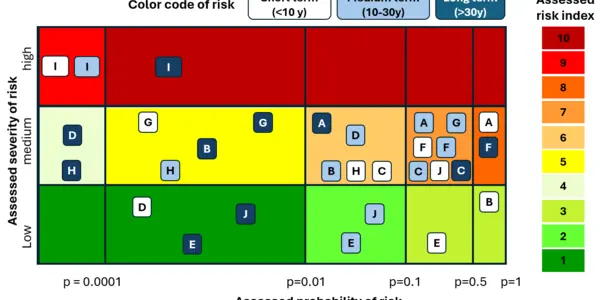
The debate on the risk connected with the development of superintelligent systems has been going on for a while now, and in the last few years it has intensified considerably - especially since large language models have established themselves as powerful new oracles, mathematics superpowers, and code-writing wizards.
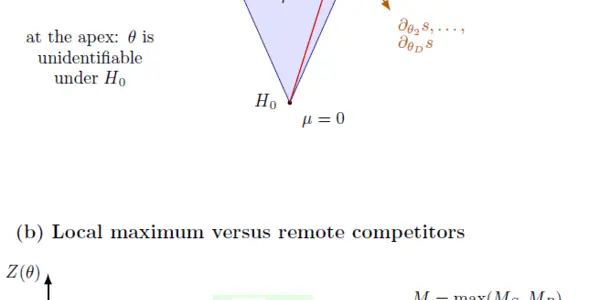
Back in 2009 I wrote in this blog a rather technical post about something I had called the “greedy bump bias.” (GBB) The effect I referred to had emerged from a 2003 CDF study of mine, where I considered the extraction of small signals sitting on top of much larger backgrounds.That work went unpublished, but then I took revenge with the blog post...
It is with quite a bit of sadness that I received this evening the news of the passing of Antonio Rosino.
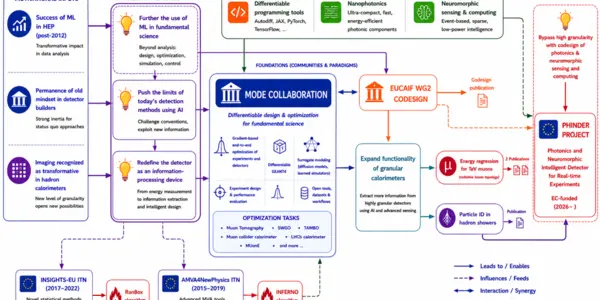
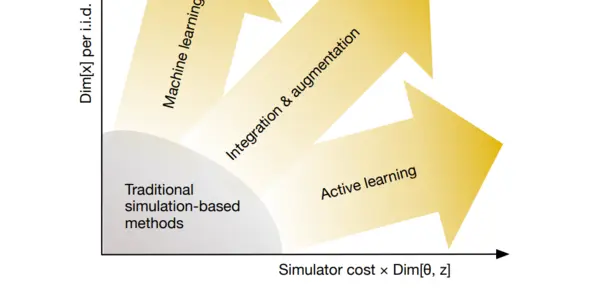
A graph tells a thousand words - in this one, I present a summary of my past 10 years of research, trying to exploit the new AI technologies to improve the way we do research in fundamental science.

Recent reports have shown that advanced AI agents developed by OpenAI and Anthropic can escape their evaluation sandboxes and interact with real-world systems when given sufficiently capable cyber tools.
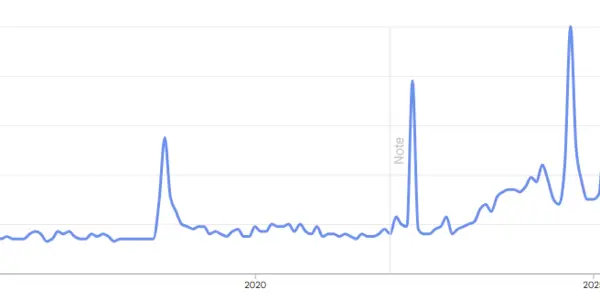
Regression toward the mean is a simple phenomenon commonly described in Statistics 101 courses. If you measure a parameter describing some phenomenon, you will find that extreme measured values tend to be followed by less extreme ones.

Artificial Intelligence will probably be remembered as the least well-defined technological advancement of humankind.

[As a meta-text, this blog column contains a large number of posts written over the years, that describe new results from physics analyses, among other articles commenting on news in science and outside.

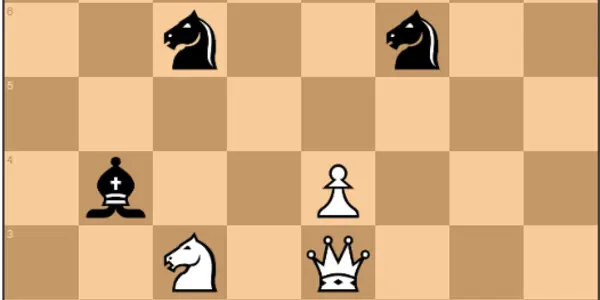
I once was an active chessplayer, but work duties have long taken tournaments off my plate - I simply do not have the time to sit through long hours of chess battles. So I play blitz online on chess.com (my handle is "tommasodorigo", in case you wondered).

As a forewarning to the reader, I am a physicist, not an economist. What I wrote below may very well be naive.